As we age, many people notice that their bodies do not recover the way they used to. Muscles feel sore for longer after exercise, energy levels fluctuate, sleep becomes lighter, and physical performance gradually declines. These changes are often subtle at first, but over time they can affect daily life, motivation, and long-term health.
One of the key biological factors behind this process is growth hormone (GH). Growth hormone plays a central role in muscle repair, fat metabolism, tissue regeneration, and sleep quality. From early adulthood onward, natural GH production steadily declines—a normal part of aging, but one that can be optimized under medical care.
In recent years, growth hormone–supporting peptides have emerged as a clinical tool to support the body’s own hormone signaling pathways. When prescribed and monitored properly, these therapies aim to enhance recovery and healthy aging without replacing hormones directly. At physician-led clinics such as Lyfe Medical Wellness, peptide therapy is used as part of a broader medical strategy focused on safety, personalization, and long-term wellbeing.
Understanding Growth Hormone and Why It Matters
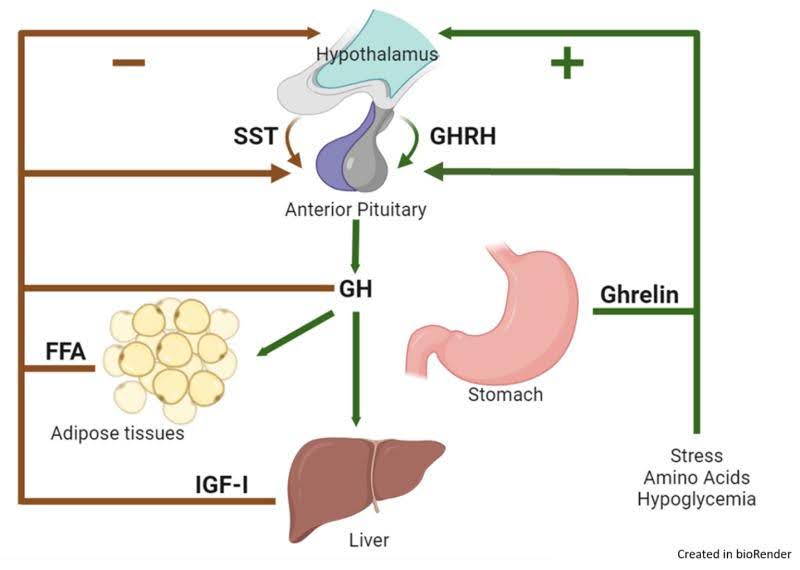
Growth hormone is produced by the pituitary gland and released in pulses, particularly during deep sleep. Its functions include:
- Supporting muscle repair and lean muscle maintenance
- Stimulating collagen production for joints, tendons, and skin
- Assisting fat metabolism and body composition
- Supporting recovery after physical stress or injury
- Contributing to sleep depth and nighttime restoration
As GH levels decline, many people experience symptoms that are often attributed solely to “aging,” such as slower recovery, reduced exercise tolerance, changes in body composition, and persistent fatigue. While these changes are common, they are not always optimal or unavoidable.
What Are Growth Hormone–Supporting Peptides?
Growth hormone–supporting peptides are medical peptides designed to stimulate the body’s own growth hormone release rather than supplying synthetic GH. This distinction is important.
Unlike supplements or over-the-counter products, these peptides work on specific receptors involved in hormone signaling and must be prescribed and monitored by medical professionals.
Two of the most commonly used peptides in clinical practice are Ipamorelin and CJC-1295.
Ipamorelin: Targeted Growth Hormone Stimulation
Ipamorelin is a selective growth hormone–releasing peptide. It stimulates GH secretion while minimizing activation of other hormone pathways that may cause unwanted effects.
In a clinical setting, Ipamorelin may be considered for individuals experiencing:
- Reduced muscle recovery after exercise
- General fatigue despite adequate rest
- Poor sleep quality or lack of deep sleep
- Age-related decline in physical resilience
Because Ipamorelin works with the body’s natural rhythms, it is often used to support recovery rather than force hormonal changes. Dosing, timing, and duration are all adjusted based on individual needs and medical assessment.
CJC-1295: Supporting Growth Hormone Signaling Over Time
CJC-1295 works through a different but complementary mechanism. It is a growth hormone–releasing hormone (GHRH) analogue that helps support more sustained GH signaling.
When used appropriately, CJC-1295 may help support:
- Consistency in hormone signaling
- Sleep-related hormone release
- Long-term tissue maintenance
- Recovery capacity during training or physical stress
In some protocols, Ipamorelin and CJC-1295 are used together under medical supervision, but combination therapy is never “one size fits all.” Proper clinical evaluation is essential before determining whether this approach is suitable.
Why Peptide Therapy Is Not a Supplement
One of the most important distinctions to understand is that peptide therapy is medical therapy.
Peptides like Ipamorelin and CJC-1295:
- Are not dietary supplements
- Require prescription and clinical oversight
- Affect hormone signaling pathways
- Must be tailored to individual physiology
Unsupervised or improperly sourced peptides may carry risks related to purity, dosing errors, or inappropriate use. This is why reputable clinics emphasize regulated sourcing, medical protocols, and ongoing monitoring.
Personalization: The Foundation of Safe Hormone Optimization
No two individuals have the same hormone profile, lifestyle demands, or health history. A clinic-based approach begins with assessment rather than assumptions.
At Lyfe Medical Wellness, peptide therapy is typically integrated into a broader evaluation that may include:
- Review of symptoms and lifestyle factors
- Medical history and current medications
- Hormone and metabolic blood tests where indicated
- Sleep quality and recovery patterns
This information guides decisions around whether growth hormone–supporting peptides are appropriate and how they should be used. Personalization helps ensure that therapy supports balance rather than disruption.
Sample Symptoms That May Prompt Evaluation
While peptide therapy is not designed to “treat” symptoms in isolation, individuals may seek medical evaluation when experiencing patterns such as:
- Slower muscle recovery after workouts
- Ongoing soreness or stiffness
- Declining exercise performance
- Poor sleep despite good sleep habits
- Fatigue that does not resolve with rest
These symptoms can have many causes, which is why assessment and differential diagnosis are essential. Peptide therapy, when used, is part of a structured medical plan—not a standalone solution.
Monitoring and Long-Term Safety
A key advantage of clinic-based peptide therapy is ongoing monitoring. Hormone-support therapies are not static; they evolve as the body adapts.
Medical supervision allows for:
- Dose adjustments based on response
- Monitoring of biomarkers over time
- Early identification of imbalances or side effects
- Integration with nutrition, sleep, and training strategies
This long-term view supports sustainability rather than short-term gains.
Peptide Therapy in Thailand: Why Clinical Oversight Matters
Interest in peptide therapy Thailand has grown, particularly among individuals seeking performance optimization, recovery support, and healthy aging solutions. However, regulatory frameworks, sourcing standards, and clinical expertise vary widely.
Choosing a physician-led clinic ensures that peptide therapy:
- Aligns with medical standards and ethical practice
- Is prescribed by licensed professionals
- Is supported by proper patient education
- Prioritizes safety and transparency
This approach protects both patients and practitioners while supporting meaningful, measurable outcomes.
Optimizing Results Beyond Peptides
It is important to emphasize that peptides are support tools, not shortcuts. Their effectiveness depends heavily on foundational health factors such as:
- Adequate protein intake
- Strength and resistance training
- Quality sleep and circadian rhythm support
- Stress and recovery management
When peptides are integrated thoughtfully into a comprehensive wellness plan, they can help enhance the body’s natural ability to recover and adapt.
A Medical Perspective on Healthy Aging
Healthy aging is not about reversing time—it is about maintaining function, resilience, and quality of life for as long as possible. Growth hormone–supporting peptides offer one pathway to support this goal when used responsibly.
By emphasizing personalization, safety, and medical oversight, clinics like Lyfe Medical Wellness approach peptide therapy as part of long-term health strategy rather than a quick intervention.
For individuals experiencing early signs of age-related decline or recovery challenges, a medical evaluation can help determine whether hormone-support therapies are appropriate—and how they can be optimized in a safe, evidence-informed way.
Educational note:
This article is intended for informational purposes only and does not replace medical consultation. Growth hormone–supporting peptides are prescription-based medical therapies and should only be used under licensed medical supervision.
Contact Information:
- Rawai Clinic : 58/147 Moo 6 T. Rawai, Muang, Phuket, Thailand, 83130
- Laguna Phuket Clinic : 29/99 Moo4, Cherngtalay, Thalang, Phuket 83110
- Phone: +66-94-926-3269 or +66-62-462-3969
- Email: info@lyfemedical.com