
Pelvic Floor Strengthening with SculpMus in Phuket
Non-invasive electromagnetic muscle stimulation designed to strengthen and retrain the pelvic floor — performed fully clothed in a private clinical setting at Lyfe Medical Wellness, Phuket.
What Is the Pelvic Floor — and Why Does It Matter?
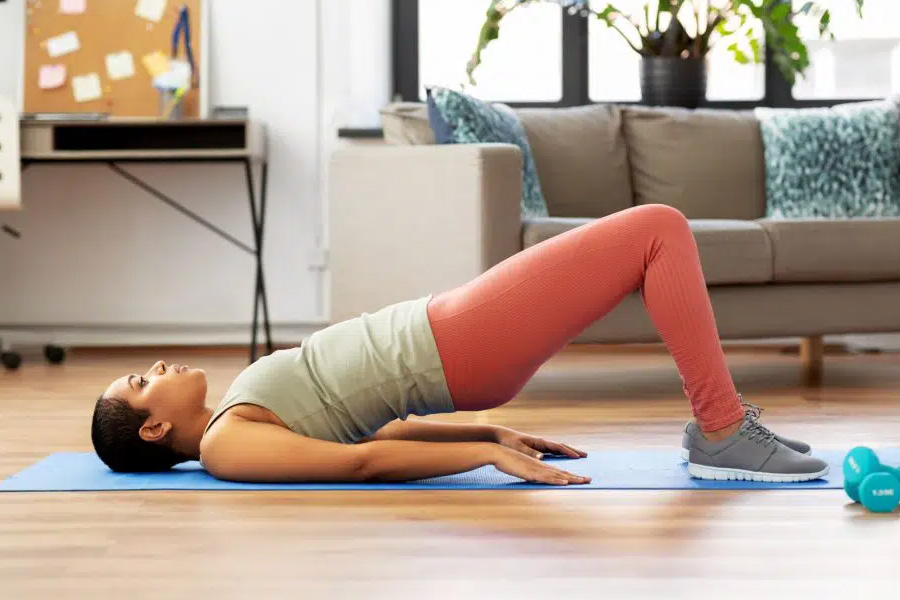
The pelvic floor is a group of muscles located at the base of the pelvis. These muscles help support the bladder, bowel and pelvic organs and play an important role in bladder and bowel control.
Like other muscles in the body, pelvic floor muscles can become weaker or function less effectively over time.
Changes may occur following pregnancy and childbirth, ageing, menopause, certain pelvic or prostate procedures, or other health factors. For some people, pelvic floor weakness causes few noticeable problems. For others, it may contribute to symptoms such as urinary leakage or reduced pelvic floor control.
Pelvic Floor Concerns Are Common — and Worth Discussing
Pelvic floor symptoms can sometimes feel difficult or embarrassing to discuss. They are health concerns that healthcare professionals routinely assess and manage. Understanding what may be contributing to your symptoms is an important first step in deciding whether pelvic floor strengthening — or another form of assessment or treatment — may be appropriate.
What Is SculpMus Pelvic Floor Treatment?
SculpMus is a non-invasive electromagnetic muscle stimulation treatment designed to activate the muscles of the pelvic floor. During treatment, electromagnetic energy stimulates repeated pelvic floor muscle contractions while you remain seated comfortably in the treatment chair.
Unlike internal pelvic floor procedures, SculpMus is performed externally and through clothing. There are no injections or incisions, and no internal device is inserted as part of the treatment.
The purpose is to provide structured stimulation of the pelvic floor muscles as part of a program focused on muscle activation, strengthening and neuromuscular control.
A Treatment for the Muscles — Not Every Cause of Pelvic Symptoms
Pelvic floor symptoms can have different causes. SculpMus specifically targets the muscular component of pelvic floor function. This means it may not be the appropriate treatment for every form of urinary leakage, pelvic discomfort or pelvic health concern. Suitability should be considered according to your symptoms and medical history.
What Can Affect Pelvic Floor Function?
Pelvic floor weakness does not have one single cause. Several factors can influence these muscles over time.
Pregnancy & Childbirth
Pregnancy and vaginal childbirth can place additional strain on the pelvic floor. Some women notice changes in bladder control or pelvic floor strength following childbirth.
Ageing & Menopause
Muscle strength and tissue characteristics can change with age. Hormonal changes associated with menopause may also influence pelvic and urinary health.
Pelvic or Prostate Procedures
Some men experience changes in urinary control following prostate treatment or surgery. Pelvic floor rehabilitation may form part of recovery for selected patients, depending on their medical situation.
Physical & Lifestyle Factors
Body weight, repeated heavy lifting, chronic coughing and other factors that repeatedly increase pressure within the abdomen can place additional stress on the pelvic floor.
Other Medical Causes
Urinary symptoms are not always caused by weak pelvic floor muscles. Infection, bladder conditions, neurological conditions and other medical issues can produce similar symptoms. This is why identifying the nature of the problem matters before choosing treatment.
Signs That Your Pelvic Floor May Need Support
People may consider pelvic floor assessment when experiencing concerns such as:
Urinary leakage when coughing, sneezing, laughing or exercising
Reduced bladder control
A feeling of reduced pelvic floor strength
Pelvic floor changes following pregnancy or childbirth
Changes in urinary control associated with ageing or menopause
Pelvic floor weakness during recovery following certain prostate procedures
Difficulty activating or maintaining pelvic floor muscle contractions
Experiencing these symptoms does not automatically mean that SculpMus is the appropriate treatment. Persistent, unexplained or new urinary or pelvic symptoms may require further medical assessment to understand the underlying cause.
How Does SculpMus Strengthen the Pelvic Floor?
Pelvic floor strengthening normally requires repeated contraction and relaxation of the pelvic floor muscles. SculpMus uses electromagnetic stimulation to activate these muscles externally while the patient remains seated.
During a session, the pelvic floor muscles contract repeatedly in response to the electromagnetic stimulation. The intensity can be adjusted according to individual comfort and treatment tolerance. Over a course of treatment, repeated stimulation is intended to support:
Muscle Activation
Helping stimulate pelvic floor muscles that may be difficult for some people to activate effectively on their own.
Pelvic Floor Strengthening
Repeated muscle contractions provide structured muscular stimulation as part of a strengthening program.
Neuromuscular Control
The treatment also involves the interaction between the nervous system and pelvic floor muscles, which is important for coordinated muscle function.
Complementing Pelvic Floor Exercise
SculpMus does not necessarily replace pelvic floor exercises or physiotherapy. Depending on the individual, these approaches may be used alongside one another as part of a broader pelvic floor program.
THE TREATMENT EXPERIENCE
What Does a SculpMus Session Feel Like?
One of the practical advantages of this treatment is its simplicity and privacy. You remain fully clothed and seated throughout the session. No internal treatment is involved. As the treatment begins, you will feel the pelvic floor muscles contracting in response to the electromagnetic stimulation. The intensity is adjusted according to your comfort and tolerance.
Approximately 30 Minutes
A typical treatment session takes around 30 minutes.
Fully Clothed
Treatment is delivered through clothing while you remain seated.
Non-Invasive
There are no needles, incisions or internal devices involved in the SculpMus treatment itself.
No Routine Downtime
Most people can return to their usual daily activities following a session. Temporary muscle awareness or fatigue may occur following muscle stimulation.
Private Clinical Setting
Pelvic health can be a sensitive subject. Treatment is provided privately and professionally by our clinical team.
WHO MAY BE SUITABLE?
Who May Consider SculpMus Pelvic Floor Treatment?
SculpMus may be considered for adults who want to improve pelvic floor muscle activation or strength and who are considered suitable following screening. This may include:
Women experiencing pelvic floor weakness following pregnancy or childbirth
Women experiencing changes in pelvic floor function during or after menopause
Adults experiencing selected forms of urinary leakage associated with pelvic floor weakness
Men seeking pelvic floor strengthening following certain prostate-related procedures, with appropriate medical clearance
Individuals who find it difficult to activate their pelvic floor muscles effectively through exercise alone
Adults looking for a non-invasive approach to pelvic floor muscle strengthening
Not Every Pelvic Floor Concern Requires the Same Treatment
Some symptoms may be better assessed by a gynecologist, urologist, pelvic floor physiotherapist or another appropriate healthcare professional. If your symptoms suggest that further investigation is needed, this should be addressed before proceeding with muscle-stimulation treatment.
SAFETY & SUITABILITY
Is SculpMus Pelvic Floor Treatment Safe?
Electromagnetic muscle stimulation is non-invasive, but treatment suitability still depends on your medical history, implants, recent procedures and current health.
Before treatment, you will complete a brief screening assessment so our team can identify potential contraindications or situations requiring further medical review. Treatment may not be appropriate in certain circumstances, including:
- Pregnancy
- Pacemakers or certain implanted electronic devices
- Certain metal implants in or close to the treatment area
- Active infection affecting the pelvic or urinary area
- Open wounds in the treatment area
- Certain recent operations or procedures
Other medical conditions, implants or previous pelvic procedures may require individual review. Please inform our team about any implanted medical device, previous surgery, current medical condition or possibility of pregnancy before treatment.
Screening Is Part of the Treatment
The purpose of screening is not simply to complete a form. It helps determine whether SculpMus is appropriate for you and whether another type of medical or pelvic floor assessment should be considered first.
Your Pelvic Floor SculpMus Journey at Lyfe Medical Wellness
1. Pre-Treatment Screening
We review relevant health information, including previous surgery, implanted medical devices and other potential contraindications.
2. Symptom & Suitability Assessment
We discuss your pelvic floor concerns, relevant history and treatment goals to determine whether SculpMus is an appropriate option.
3. Your Treatment
You remain fully clothed and seated during the approximately 30-minute session while electromagnetic stimulation activates the pelvic floor muscles.
4. Treatment Course
Pelvic floor strengthening generally involves a course of sessions rather than a single treatment. The recommended number and frequency are determined according to your individual situation and response.
5. Progress Review
Your symptoms and response can be reviewed during the program to determine whether continued treatment, maintenance or another approach should be considered.
Frequently Asked Questions
RELATED TREATMENTS
Explore Other Aesthetic Treatments

Have Questions About Your Pelvic Floor?
If you are experiencing changes in bladder control or pelvic floor strength and are unsure whether SculpMus may be appropriate, please feel free to discuss your concerns with our team. We can help you understand whether pelvic floor strengthening is a suitable next step or whether further medical or pelvic floor assessment may be recommended.
Book Your Consultation
Fill the form and we will contact you within 24 hours.