
Stem Cell Rejuvenation Therapy in Phuket, Thailand
Physician-led mesenchymal stem cell (MSC) therapy as part of a personalized regenerative medicine program for healthy ageing, recovery and overall health optimization.
What Is Stem Cell Rejuvenation Therapy?
Stem cell rejuvenation therapy is a regenerative medicine approach that uses mesenchymal stem cells (MSCs) within a broader physician-led program focused on healthy ageing and health optimization.
MSCs have been widely studied for their ability to release biologically active molecules involved in cellular communication. These include growth factors, cytokines and extracellular vesicles associated with processes such as immune regulation, inflammatory signaling and tissue homeostasis.
Rather than viewing stem cells simply as cells that replace ageing or damaged tissue, current research increasingly focuses on the signaling activity of MSCs and how they interact with the body's existing biological processes.
Scientific understanding continues to develop, and biological activity observed in research should not be interpreted as a guaranteed clinical effect in an individual patient.
At Lyfe Medical Wellness, stem cell therapy is provided following medical assessment and may use umbilical cord-derived MSCs or autologous bone marrow-derived stem cells, depending on the treatment approach considered appropriate by the physician.
An Important Distinction
Stem cell rejuvenation does not mean reversing ageing.
Ageing is influenced by many interconnected biological and lifestyle factors. Stem cell therapy may be considered as one component of a broader regenerative and healthy-ageing program rather than as a treatment that can stop or reverse the ageing process.
What Types of Stem Cells May Be Used?
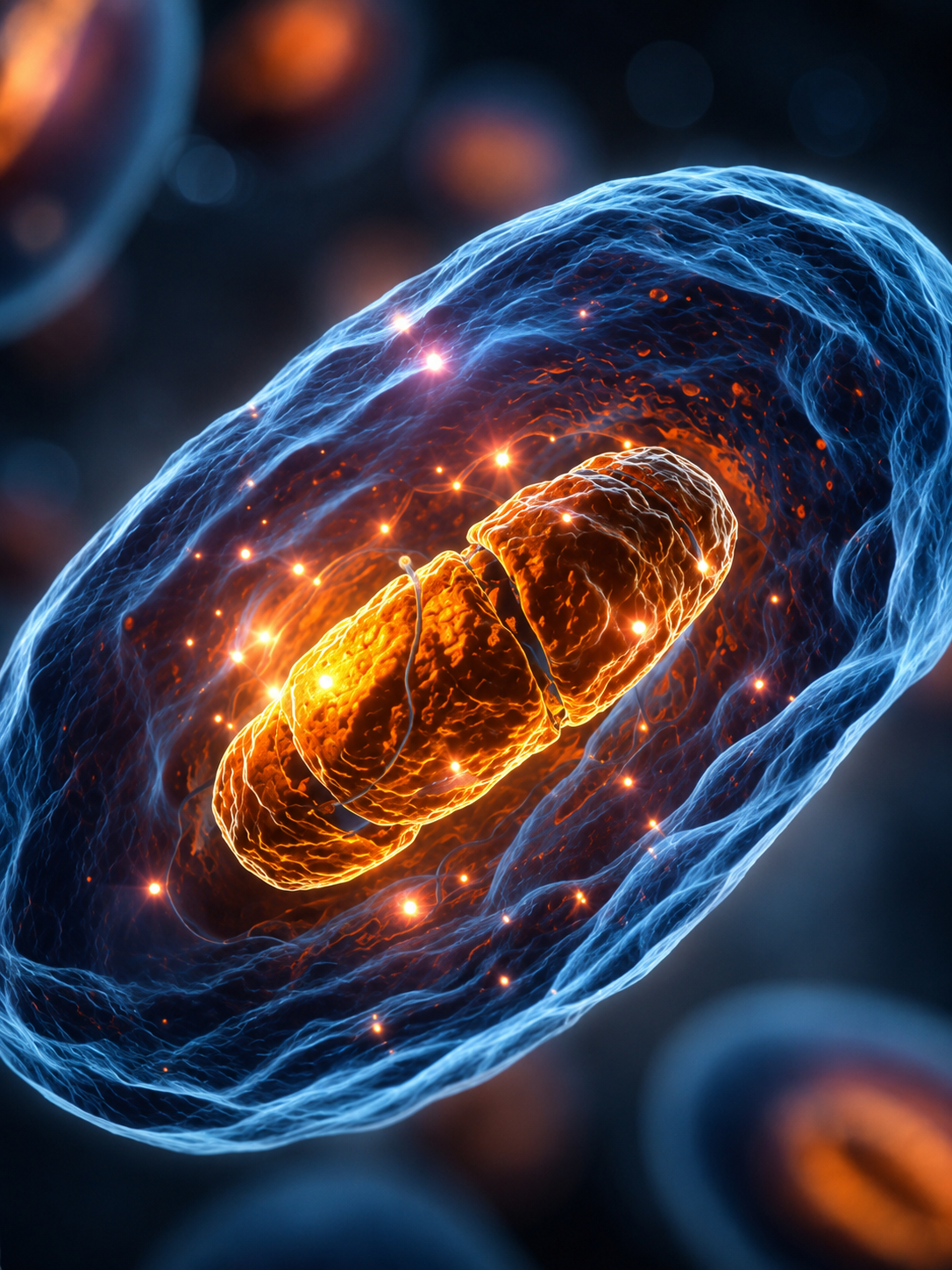
There is no single stem cell source that is necessarily appropriate for every patient. At Lyfe Medical Wellness, the physician may consider allogeneic umbilical cord-derived mesenchymal stem cells (UC-MSCs) or autologous bone marrow-derived stem cells.
The appropriate option depends on the patient's health profile, treatment objectives, clinical circumstances and the physician's assessment.
Umbilical Cord-Derived MSCs
UC-MSCs are allogeneic mesenchymal stem cells obtained from donated umbilical cord tissue following healthy births and appropriate donor screening and consent.
The cells are processed under controlled laboratory conditions before clinical use.
Where UC-MSCs are used, the cell preparation is accompanied by relevant quality documentation, including a Certificate of Analysis (COA) containing information appropriate to the product and laboratory process.
Autologous Bone Marrow-Derived Stem Cells
Autologous treatment uses stem cells obtained from the patient's own bone marrow.
Because the cells originate from the patient, this approach requires an additional collection procedure before the cells can be prepared for treatment.
The physician will explain the collection, preparation and treatment process when this approach is being considered.
Which Stem Cell Source Is Better?
There is no universally "best" stem cell source for every patient. Different sources have different biological characteristics, collection and preparation requirements, and clinical considerations. Rather than selecting a treatment based solely on the source of the cells, our physician considers the individual patient, treatment objective, available clinical evidence and practical considerations before recommending an approach.
How Are Mesenchymal Stem Cells Being Studied?
Mesenchymal stem cells continue to be investigated across regenerative medicine for the biologically active signals they release and their interactions with other cells. Research is examining several areas of MSC biology, including:
Inflammatory Signaling
MSCs interact with signaling pathways involved in the body's inflammatory response. Research continues to investigate the significance of these interactions in different clinical settings.
Immune Regulation
MSCs can interact with different immune cells, and their potential immunomodulatory properties remain an important area of regenerative medicine research.
Cellular Communication
MSCs release growth factors, cytokines and extracellular vesicles that allow communication with surrounding cells and tissues.
Tissue Homeostasis & Repair Processes
MSC-derived signaling molecules are being investigated for their involvement in biological pathways associated with tissue maintenance and the body's normal repair processes.
Cellular Metabolism
Research is also exploring relationships between MSC signaling, mitochondrial activity and cellular energy metabolism.
These mechanisms describe areas of biological research. They should not be interpreted as evidence that stem cell therapy will produce a particular clinical outcome for an individual patient.
Stem Cell Therapy Within a Healthy-Ageing Program
Healthy ageing involves much more than one treatment. Hormonal health, metabolic function, cardiovascular health, nutrition, physical activity, sleep, inflammation, existing medical conditions and lifestyle can all influence how we age.
For this reason, stem cell therapy at Lyfe Medical Wellness is not approached as a stand-alone solution to ageing. Following assessment, MSC therapy may be considered as one component of a broader regenerative medicine program for individuals interested in areas such as:
• Recovery and resilience
• Maintaining physical function
• Supporting overall health optimization
• Exploring regenerative medicine as part of a physician-led longevity strategy
The purpose of assessment is to understand whether stem cell therapy is appropriate at all, rather than assuming that every patient interested in longevity requires stem cell treatment.
How Is Stem Cell Rejuvenation Personalized?
There is no standard stem cell rejuvenation protocol that is appropriate for everyone. Before recommending treatment, the physician considers factors including:
Where stem cell therapy is considered appropriate, the physician can then determine the proposed:
The Cell Source Is Part of the Personalization
Depending on the individual assessment, treatment may involve allogeneic UC-MSCs or autologous bone marrow-derived stem cells. The differences between the available approaches—including how the cells are obtained, preparation requirements, treatment process, potential risks and other relevant considerations—will be discussed before treatment is selected.
Areas of Ongoing Research in MSC Therapy
Research into mesenchymal stem cells continues to examine their biological activity across a number of areas relevant to regenerative medicine and healthy ageing. These include research into:
Immune Function
Interactions between MSCs, immune cells and signaling pathways involved in immune regulation.
Inflammatory Balance
How MSC-derived signaling molecules interact with pathways involved in normal inflammatory responses.
Musculoskeletal & Connective Tissue Biology
MSC signaling and its relationship with cells involved in tissue maintenance and normal repair processes.
Cellular Energy & Metabolism
Potential interactions between MSC signaling, mitochondrial function and cellular metabolism.
Neurological & Vascular Biology
Growth factors and signaling molecules associated with neuronal communication, vascular biology and tissue homeostasis.
Healthy Ageing
The broader relationship between regenerative signaling, tissue homeostasis and physiological changes associated with ageing.
Research Does Not Equal a Guaranteed Outcome
These areas describe ongoing scientific research into MSC biology. They do not mean that stem cell therapy has been proven to prevent ageing or produce each of these effects in an individual patient.
The physician will discuss what is currently known, where evidence remains limited, and what expectations are reasonable for your individual circumstances.
Is Stem Cell Rejuvenation Right for Everyone?
No. Stem cell therapy may be considered for selected adults interested in regenerative medicine and healthy ageing following an appropriate medical assessment. A consultation may be appropriate for individuals who:
• Would like a physician-led assessment rather than a standard treatment package
• Want to understand whether MSC therapy is relevant to their individual health goals
• Are interested in integrating regenerative treatment into a broader health optimization program
Being interested in stem cell therapy does not automatically mean that treatment will be recommended. The first objective of the consultation is to establish whether there is an appropriate medical rationale for treatment and whether the potential benefits, limitations and risks are acceptable for the individual.
Is Stem Cell Rejuvenation Therapy Safe?
Stem cell therapy is a medical procedure and requires appropriate patient selection, cell quality controls, physician supervision and follow-up.
Stem cell therapy may not be suitable for some individuals, including patients with active infections, certain active cancers or other medical conditions that may increase treatment risk.
Certain medications, including some immunosuppressive treatments, may also require additional assessment or specialist clearance.
Stem Cell Rejuvenation Treatment
For systemic rejuvenation programs, stem cells may be administered through intravenous (IV) infusion following the physician's assessment and preparation of the individual treatment plan. The treatment process differs depending on the stem cell source selected.
When UC-MSCs Are Used
The cells are prepared through the relevant laboratory process before treatment and administered according to the physician's treatment plan.
When Autologous Bone Marrow-Derived Cells Are Used
Bone marrow must first be collected from the patient. The subsequent preparation and treatment schedule depend on the specific clinical approach being used.
Your physician and medical team will explain the process, preparation requirements and expected schedule before treatment proceeds.
After Treatment
Individual experiences following treatment vary.
Some patients may experience temporary effects such as fatigue, a mild temperature or discomfort related to an injection, IV access or collection procedure.
Post-treatment instructions and any recommended activity precautions will depend on the treatment performed.
Patients should contact the medical team if they experience persistent symptoms or have concerns following treatment.
Your Stem Cell Rejuvenation Journey at Lyfe Medical Wellness
Physician Consultation
Your physician reviews your medical history, current health, medications, previous treatments and treatment objectives.
The consultation also provides an opportunity to discuss what stem cell therapy can reasonably be expected to do, its limitations, potential risks and alternative approaches.
Assessment & Investigation
Relevant laboratory testing, imaging or other investigations may be recommended depending on your health profile and proposed treatment.
Treatment Planning & Cell Source
If stem cell therapy is considered appropriate, the physician discusses the proposed treatment plan and determines whether umbilical cord-derived MSCs or autologous bone marrow-derived stem cells are appropriate for your individual circumstances.
The treatment process, cell preparation, dose, administration, potential risks, limitations and expected schedule are explained before you decide whether to proceed.
Treatment
Treatment is performed in a clinical setting with appropriate physician and medical-team supervision.
The exact procedure depends on the stem cell source and treatment plan selected.
Follow-Up
Follow-up may be recommended to review your clinical progress, address questions or concerns, and determine whether further assessment or treatment is appropriate.
Stem cell therapy is considered within your broader health picture, rather than as an isolated procedure.
“Stem cell therapy is a medical decision — not a wellness product. Every patient who comes to us deserves a physician’s assessment, not a menu of pre-packaged treatments.”
At Lyfe Medical Wellness, we believe the most important thing we can offer a patient is honest, personalised medical guidance — before any treatment begins.
Regenerative Medicine Beyond Stem Cells
Depending on your assessment and health objectives, stem cell therapy may form one part of a broader physician-led regenerative or longevity program. Other therapies may be considered where clinically appropriate, including:
NAD+ Therapy
NAD+ is a naturally occurring coenzyme involved in cellular energy metabolism. IV NAD+ may be considered separately within selected health optimization programs.
Exosome Therapy
Exosomes are extracellular vesicles involved in cellular communication. MSC-derived exosomes continue to be studied for potential regenerative medicine applications.
Peptide Therapy
Selected physician-prescribed peptides may be considered for specific health objectives where medically appropriate.
Hormone Optimization
Where assessment identifies a clinically relevant hormonal issue, appropriate hormone management may be considered separately within the overall program.
Combination treatment is not automatically required. Recommendations should be based on the individual's assessment and clinical rationale rather than adding therapies simply because they are available.
Follow-Up After Stem Cell Rejuvenation Therapy
The response to stem cell therapy varies between individuals and depends on factors such as overall health, medical history, the treatment approach and the condition being addressed. For this reason, no specific clinical outcome or timeframe can be guaranteed.
Following treatment, your physician may recommend follow-up appointments to review your progress, discuss any changes in your health and determine whether additional assessment or treatment is appropriate.
Patients are encouraged to maintain healthy lifestyle habits, including regular exercise, balanced nutrition, adequate sleep and appropriate management of existing medical conditions, as these factors remain important components of long-term health and wellbeing.
Treatment suitability and individual responses vary. Your physician will discuss realistic expectations based on your individual circumstances during the consultation.
Frequently Asked Questions
What is the difference between UC-MSCs and autologous bone marrow-derived stem cells?
Which type of stem cell is better for rejuvenation?
Is stem cell rejuvenation proven to reverse ageing?
How is stem cell rejuvenation different from stem cell treatment for joint conditions?
How many stem cells do I need?
How many treatments will I need?
How quickly will I notice a difference?
Can stem cell therapy be combined with other regenerative treatments?
How long should international patients stay in Phuket?
What does stem cell rejuvenation therapy cost?
Explore Related Regenerative Medicine Services
Stem Cell Therapy for Joint Conditions
Physician-led assessment and stem cell treatment for selected musculoskeletal and joint conditions where clinically appropriate.
Exosome Therapy
MSC-derived extracellular vesicles used within selected physician-led regenerative medicine programs.
NAD+ Therapy
IV NAD+ therapy within personalized programs focused on cellular energy metabolism and health optimization.
Peptide Therapy
Physician-prescribed peptide programs selected according to individual health objectives and clinical assessment.
Anti-Aging & Longevity Medicine
A broader physician-led approach considering hormonal, metabolic, nutritional, lifestyle and other factors relevant to health as we age.

Considering Stem Cell Therapy?
If you are exploring stem cell therapy for healthy ageing or as part of a broader regenerative medicine program, our medical team can help you understand the available approaches and whether treatment may be appropriate for your individual circumstances.
A physician consultation allows us to review your health history and treatment objectives, discuss umbilical cord-derived and autologous bone marrow-derived stem cell options where relevant, and explain the potential benefits, limitations, risks and next steps before you decide whether to proceed.
Book Your Consultation
Fill the form and we will contact you within 24 hours.