Understanding How Regenerative Medicine Supports Healing, Recovery, and Long-Term Health
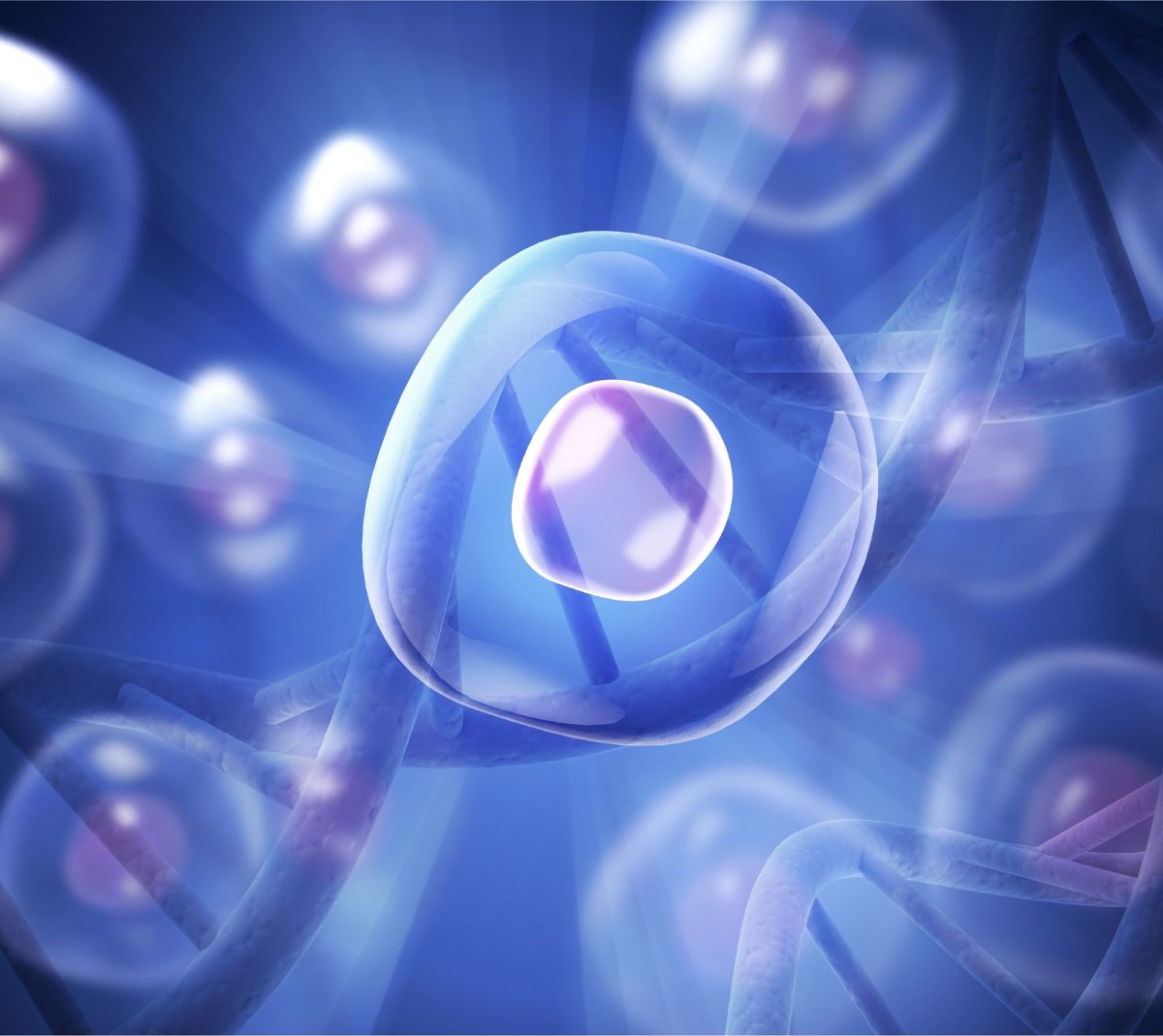
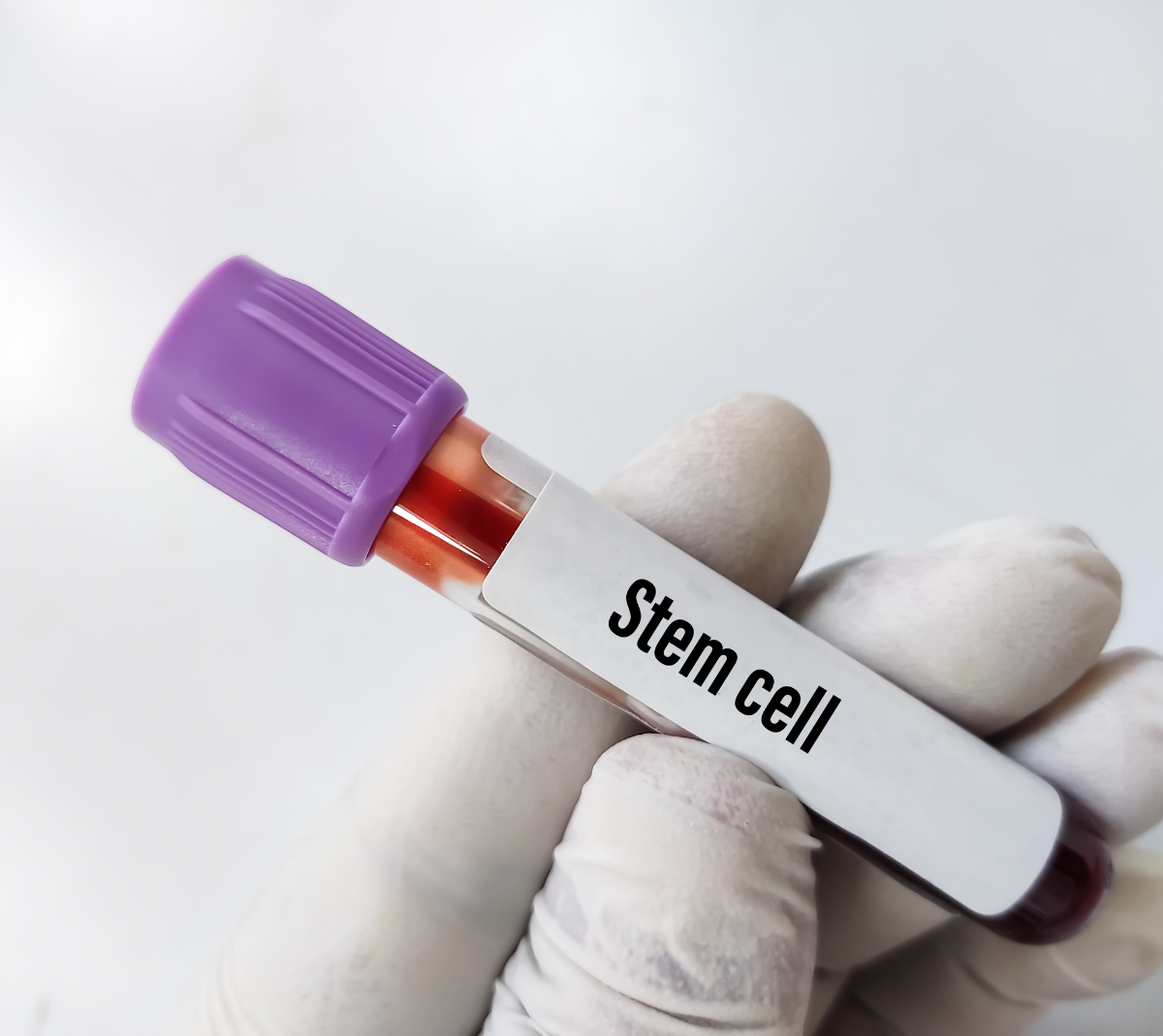
When people hear the term stem cell therapy, it often sounds advanced, complex, or even futuristic. But at its core, this treatment is based on something very simple: your body’s natural ability to repair itself.
As we age, this ability slows down. Small injuries take longer to heal. Energy drops. Recovery after stress, illness, or even exercise becomes less efficient. Many people begin to notice changes after their late 30s or 40s — not necessarily a specific disease, but a general feeling that the body is not functioning at its best.
This is where regenerative medicine using stem cells comes in.
This guide will walk you through what stem cell therapy is, how it works, who it may benefit, and what to expect from a proper medical approach — especially for those exploring stem cell therapy in Thailand.
What Are Stem Cells?
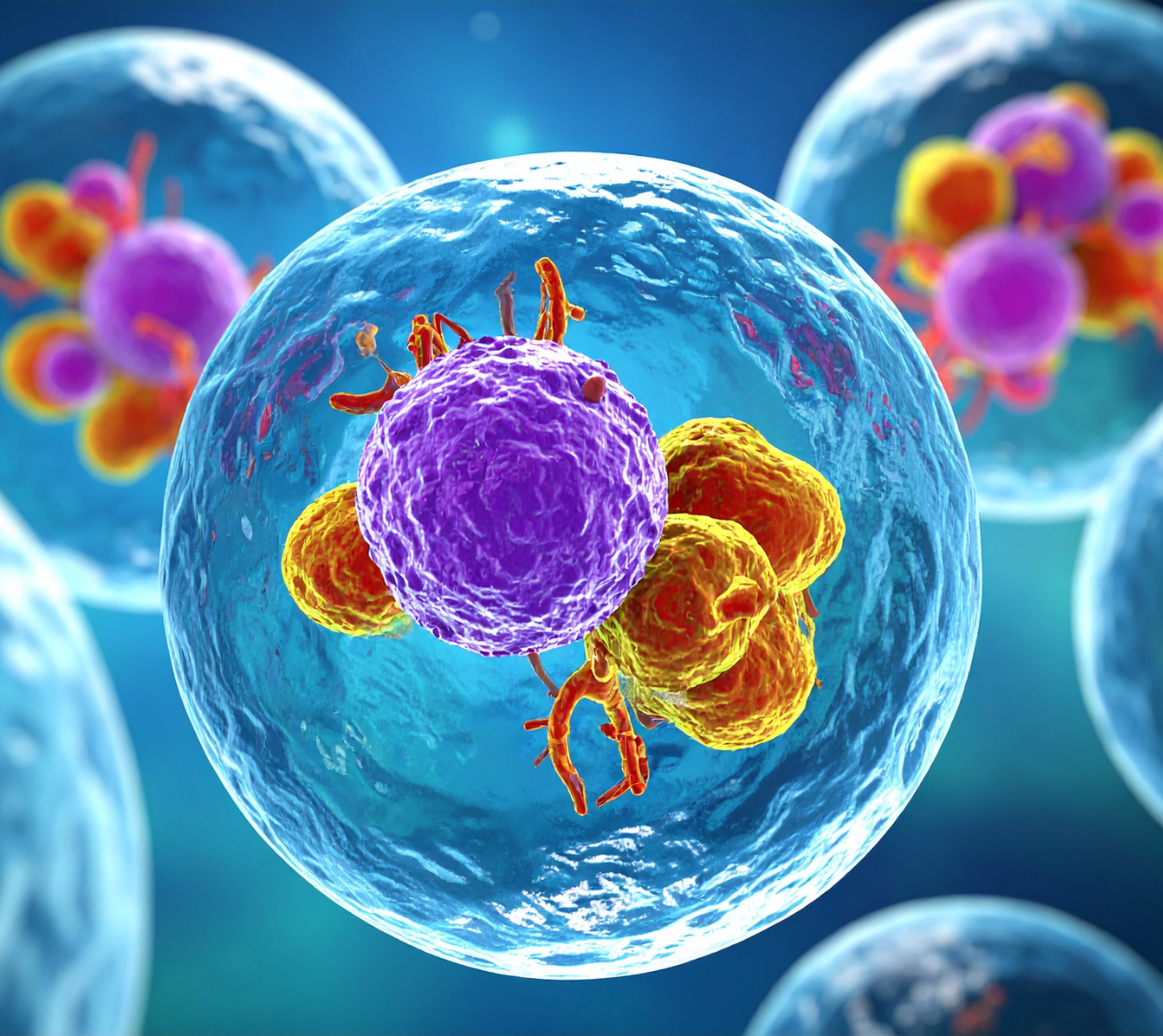
Stem cells are often described as the body’s “master cells.”
They are unique because they have two important abilities:
- They can develop into different types of cells
(such as muscle, skin, nerve, or cartilage cells) - They can support repair and regeneration
by releasing signals that activate healing in surrounding tissues
In simple terms, stem cells act like a repair system inside the body.
When you are younger, your body naturally has a higher number of active stem cells. This is why:
- Cuts heal quickly
- Muscles recover faster
- Skin maintains elasticity
- Energy levels are more stable
Over time, however, both the number and function of stem cells decline. This is one of the key reasons why aging is associated with slower recovery and tissue degeneration.
How Stem Cell Therapy Works
Stem cell therapy is designed to support and enhance the body’s natural repair process.
Instead of simply treating symptoms, this approach focuses on cellular-level recovery.
Here’s how it works in a simplified way:
- Targeting Areas That Need Repair
Stem cells are introduced into the body (commonly via IV or targeted application), where they respond to signals from damaged or inflamed tissues.
- Cellular Communication
Rather than “replacing” tissue directly, many stem cells work by releasing growth factors and signaling molecules. These help:
- Reduce inflammation
- Stimulate tissue repair
- Improve blood flow
- Activate local healing processes
- Supporting Regeneration
Over time, this process may support:
- Tissue repair
- Improved function
- Better recovery from stress or injury
This is why stem cell therapy is often part of a broader field known as regenerative medicine stem cells, which focuses on restoring function rather than masking symptoms.
The Role of Regenerative Medicine
Regenerative medicine is a medical approach that focuses on repairing, regenerating, or restoring damaged tissues and cells.
It includes therapies such as:
- Stem cell therapy
- Exosome therapy
- Platelet-Rich Plasma (PRP)
- Peptide therapy
- Tissue-supporting IV therapies
The goal is not just short-term relief, but long-term improvement in how the body functions.
For many patients, this approach becomes relevant when they start experiencing:
- Slower recovery after workouts or injuries
- Persistent fatigue despite normal lab results
- Joint discomfort or stiffness
- Skin thinning or loss of elasticity
- Brain fog or reduced focus
- Hormonal changes affecting energy and mood
These are often early signs of declining cellular efficiency, rather than a single medical condition.
Cellular Repair and Longevity
One of the most important concepts behind stem cell therapy is cellular repair.
Your body is constantly repairing itself — replacing old or damaged cells with new ones. However, with age and stress, this process becomes less efficient.
Factors that accelerate this decline include:
- Chronic stress
- Poor sleep
- Inflammation
- Environmental toxins
- Hormonal imbalance
When cellular repair slows down, you may notice:
- Longer recovery time
- Reduced physical performance
- Lower energy levels
- Visible aging changes
Stem cell therapy aims to support this repair cycle, helping the body function more efficiently again.
This is why it is often associated with longevity-focused medicine — not in terms of “extending life artificially,” but improving how well your body performs over time.
Who May Benefit from Stem Cell Therapy?
Stem cell therapy is not only for severe conditions. In many cases, people explore it because they feel:
“I’m not sick, but I’m also not functioning at my best.”
Common situations where patients begin considering this approach include:
- Slower Recovery After 40
You may notice that:
- Muscle soreness lasts longer
- Minor injuries take weeks instead of days
- Energy doesn’t bounce back as quickly
- Chronic Fatigue or Burnout
Even with rest, you may feel:
- Low energy throughout the day
- Difficulty concentrating
- Reduced motivation
- Joint or Tissue Discomfort
Without a major injury, there may be:
- Knee, shoulder, or back stiffness
- Reduced mobility
- Mild but persistent discomfort
- Skin and Aging Concerns
Such as:
- Loss of firmness
- Slower healing
- Dull or thinning skin
- Performance Optimization
Some individuals seek regenerative therapies to:
- Improve recovery
- Maintain energy levels
- Support long-term health and resilience
It’s important to understand that stem cell therapy is not a quick fix. It is a medical approach that supports the body over time, often as part of a broader plan.
Stem Cell Therapy in Thailand
Thailand has become a destination for patients exploring stem cell therapy, partly due to:
- Access to integrative and regenerative medicine clinics
- Physician-led treatment approaches
- Combination therapies (IV, peptides, diagnostics, etc.)
- More personalized treatment planning
However, standards can vary significantly.
For patients considering stem cell therapy in Thailand, it is important to look for:
- Proper medical consultation
- Clear indication for treatment
- Transparent explanation of what is being used
- Ongoing monitoring and follow-up
A structured, physician-led approach is essential to ensure safety and appropriate use.
The Physician Consultation Process
Before any regenerative therapy, a proper medical process is necessary.
At Lyfe Medical Wellness, this typically begins with understanding the individual, not just the treatment.
Step 1: Medical Assessment
This may include:
- Health history
- Current symptoms
- Lifestyle factors
- Previous treatments
Step 2: Diagnostic Review
Where needed, tests may be used to evaluate:
- Inflammation levels
- Nutritional status
- Hormonal balance
- Cellular health markers
Step 3: Personalised Treatment Planning
Rather than applying a standard protocol, the focus is on:
- Identifying root causes
- Matching therapies to individual needs
- Combining supportive treatments where appropriate
Step 4: Integrated Approach
Stem cell therapy is often combined with:
- NAD+ or regenerative IV therapy
- Peptide therapy
- Hyperbaric oxygen therapy
- Lifestyle and recovery support
This combination helps create an environment where the body can respond more effectively.
What Results Can Patients Expect?
One of the most common questions is:
“What will I feel after stem cell therapy?”
The answer varies depending on the individual, but many patients report gradual improvements such as:
- Better energy levels
- Faster recovery after physical activity
- Improved sleep quality
- Reduced stiffness or discomfort
- Clearer mental focus
These changes are usually not immediate.
They tend to develop over weeks to months, as the body responds to the therapy.
It’s also important to note that outcomes depend on:
- Baseline health condition
- Lifestyle habits
- Consistency of care
Stem cell therapy works best when it is part of a broader health optimization plan, rather than a standalone solution.
Final Thoughts
Stem cell therapy represents a shift in how we approach health — moving from reactive treatment to proactive regeneration.
Instead of waiting for disease to develop, regenerative medicine focuses on:
- Supporting the body earlier
- Improving how it functions over time
- Addressing underlying imbalances
For many individuals, especially those experiencing subtle but persistent changes in energy, recovery, or overall performance, this approach offers a different perspective on health.
It is not about quick results or cosmetic improvement.
It is about supporting the body at a deeper level — where true repair begins.
Contact Information:
- Rawai Clinic : 58/147 Moo 6 T. Rawai, Muang, Phuket, Thailand, 83130
- Laguna Phuket Clinic : 29/99 Moo4, Cherngtalay, Thalang, Phuket 83110
- Phone: +66-94-926-3269 or +66-62-462-3969
- Email: info@lyfemedical.com