You used to enjoy walking along the beach, playing golf, or exercising without thinking about your knees. Now, climbing stairs feels uncomfortable, your knee becomes stiff after sitting, or a familiar ache returns after a long walk.
Perhaps you have already tried physiotherapy, medication, or modifying your activities. The discomfort improves temporarily, but you still hesitate before doing things you once enjoyed.
If this sounds familiar, you may have come across PRP knee injection as a possible treatment for persistent knee pain.
Platelet-rich plasma (PRP) therapy uses components of your own blood and is increasingly considered in non-surgical management of selected knee conditions, particularly osteoarthritis.
But does it actually work? How long do the results last? And how do you know whether it is appropriate for your knee?
Understanding the treatment, its limitations, and the importance of medical assessment can help you make an informed decision.
What Is a PRP Knee Injection?
PRP stands for platelet-rich plasma, a concentrated preparation of platelets obtained from your own blood.
Platelets are best known for helping blood clot, but they also contain growth factors and signaling proteins involved in the body’s natural tissue responses.
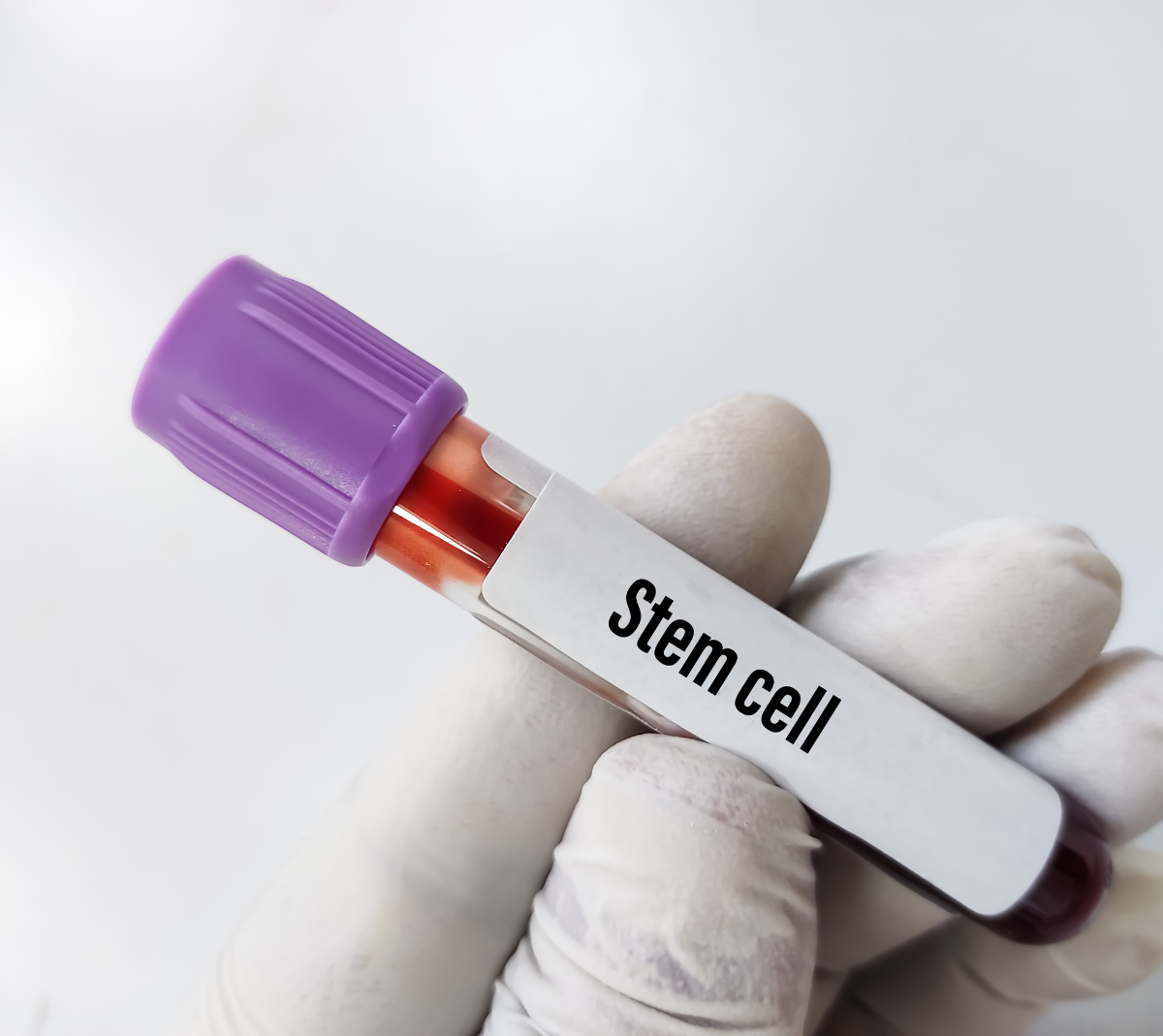
To prepare PRP, a healthcare professional collects a small blood sample, which is processed using a centrifuge to separate its components.
The platelet-containing portion is then prepared for injection into the affected knee.
PRP is described as an autologous treatment because it comes from your own blood rather than donor tissue.
Researchers are investigating whether PRP can influence inflammation and other biological processes within the joint.
However, PRP is not a stem cell treatment, and it has not been proven to reliably regenerate damaged cartilage or reverse arthritis.
What Knee Problems May Benefit from PRP?
Not every type of knee pain is suitable for PRP therapy.
The first step is understanding what is causing the discomfort.
1. Knee Osteoarthritis
Osteoarthritis is one of the most common reasons people consider PRP knee injections.
It develops when changes occur in the cartilage and other structures within the joint.
You may notice:
- Knee stiffness after waking or sitting for long periods
- Pain when walking downstairs
- Discomfort after standing or walking
- Occasional swelling
- Reduced confidence in everyday movement
For selected patients with symptomatic knee osteoarthritis, PRP may help reduce pain and improve function.
Research suggests that some patients benefit, particularly those with less advanced joint changes. However, study results vary, and professional guidelines differ in their recommendations.
PRP is generally considered after established conservative treatments, such as exercise-based rehabilitation, have not provided sufficient relief.
2. Selected Tendon Conditions
Some people experience pain around the knee rather than deep inside the joint.
For example, patellar tendinopathy may cause discomfort below the kneecap, particularly during activities involving jumping, running, or repeated knee loading.
PRP is sometimes considered for selected chronic tendon conditions, although evidence is less consistent and treatment approaches differ from injections into the knee joint.
3. Persistent Symptoms Following Previous Injury
Previous knee injuries can contribute to ongoing discomfort, stiffness, or changes in joint function.
Depending on the diagnosis, PRP may be discussed as one component of a broader treatment plan.
However, significant ligament injuries, mechanical locking, or structural damage may require orthopedic assessment rather than PRP.
The presence of knee pain alone does not establish that PRP is appropriate.
How Does PRP Work Inside the Knee?
PRP contains concentrated platelets and associated biological factors that participate in normal tissue signaling.
Researchers believe these components may influence inflammatory processes within the joint.
For some patients, this may contribute to reduced discomfort and improved physical function.
However, the exact mechanisms remain under investigation.
It is important to distinguish between improving symptoms and repairing damaged joint structures.
A patient may experience less pain when walking without any evidence that previously damaged cartilage has been restored.
This distinction matters because realistic treatment goals should focus on meaningful improvements in daily activities rather than promises of complete joint regeneration.
What Results Can You Realistically Expect?
Imagine being able to walk around a shopping center with less discomfort, climb stairs more comfortably, or return to gentle exercise with greater confidence.
For someone whose knee pain limits everyday activities, even a moderate improvement can be meaningful.
Clinical studies suggest PRP may improve pain and function in some patients with knee osteoarthritis.
However, results are not consistent across all studies, and some patients experience little or no benefit.
Factors influencing treatment response may include the severity of osteoarthritis, the underlying diagnosis, previous treatment, and individual biological differences.
PRP should not be presented as a guaranteed alternative to knee replacement surgery.
Patients with advanced joint degeneration may benefit more from orthopedic evaluation and other established treatment options.
How Long Do PRP Knee Injections Last?
One of the most common questions is: How long do PRP injections last?
For patients who respond, symptom improvement may last approximately 6–12 months, although this is not guaranteed.
Some studies report benefits over shorter periods, while others describe improvements lasting up to a year.
There is no fixed duration for every patient.
Unlike certain pain-relieving injections, PRP generally does not produce an immediate improvement.
A typical response may look like this:
| Time after treatment | What you may experience |
|---|---|
| First 1–3 days | Temporary soreness or swelling |
| Weeks 1–2 | Recovery from the injection; improvement may not yet be noticeable |
| Weeks 4–6 | Some patients begin noticing changes in pain or movement |
| Months 2–3 | A useful period for evaluating clinical response |
| Months 3–6 | Some responding patients maintain improvement |
| Months 6–12 | Benefits may continue or gradually diminish |
This timeline is illustrative, not a prediction of individual results.
The need for repeat treatment should depend on symptoms, function, and physician assessment rather than an automatic schedule.
What Happens During a PRP Knee Injection?
Understanding the procedure can make treatment feel less uncertain.
Step 1: Medical Consultation
Your physician reviews your symptoms, previous injuries, medical history, medications, and treatment goals.
A physical examination helps identify the likely cause of pain.
Existing X-rays or MRI reports may be reviewed. Further investigation may be recommended when necessary.
Step 2: Blood Collection
A small sample of blood is collected from your arm.
Because PRP is prepared from your own blood, donor matching is not required.
Step 3: PRP Preparation
The blood sample is processed in a centrifuge to separate the platelet-containing plasma.
The final PRP composition can vary depending on the preparation system, including platelet concentration and white blood cell content.
This is one reason results from different PRP studies are not always directly comparable.
Step 4: Knee Injection
The physician prepares the injection site using appropriate infection-control procedures.
The PRP is then injected into the selected treatment area.
At LYFE Medical Wellness, joint injections are performed using an anatomical landmark-guided technique, based on clinical examination and established anatomical reference points.
If imaging guidance or specialist intervention is considered necessary, the physician may recommend referral or additional assessment.
Step 5: Aftercare
Temporary soreness or swelling may occur.
Your physician provides instructions regarding activity, exercise, medication, and recovery.
The timing of your return to normal activities depends on the underlying condition and your individual response.
Is PRP Knee Injection Safe?
PRP is generally considered a relatively low-risk procedure when appropriately performed, but it is not risk-free.
Because PRP comes from your own blood, the risk of immune rejection is low.
However, possible complications include injection-site pain, bruising, swelling, infection, bleeding, and temporary worsening of symptoms.
Rare but serious complications, such as joint infection, require urgent medical assessment.
Patients with active infection, certain blood or platelet disorders, significant bleeding risks, or other relevant medical conditions may not be suitable candidates.
Medications, including anticoagulants and anti-inflammatory medicines, should be reviewed before treatment. Do not stop prescribed medication without medical advice.
Why Does PRP Preparation and Medical Supervision Matter?
PRP treatment involves both blood processing and an invasive injection into or around a joint.
Therefore, the quality of the clinical process is important.
A licensed medical clinic should follow appropriate procedures for patient identification, sterile blood collection, PRP preparation, infection prevention, and safe injection practices.
The PRP preparation system and associated medical equipment should be appropriately sourced, handled, and used in accordance with applicable Thai regulatory requirements.
Although PRP is prepared from the patient’s own blood, this does not eliminate the need for strict hygiene, correct handling, and clinical monitoring.
There is also no universal PRP formulation that has been proven superior for every knee condition.
Patients should feel comfortable asking about the preparation method, physician qualifications, injection technique, and possible complications.
LYFE Medical Wellness’s Approach to PRP Knee Therapy
At LYFE Medical Wellness in Phuket, PRP treatment is provided within a physician-led regenerative medicine program.
The approach begins with identifying the underlying cause of knee pain rather than recommending PRP automatically.
1. Understanding Your Knee Condition
Your physician evaluates where the pain occurs, how long it has been present, what makes it worse, and how it affects daily activities.
Previous imaging and treatment history are reviewed where available.
2. Assessing Treatment Suitability
The physician considers whether PRP is a reasonable option based on your diagnosis, severity of symptoms, and previous response to conservative care.
Not every patient is suitable for PRP, and some may require further orthopedic assessment.
3. Preparing and Administering PRP
PRP is prepared from your own blood and administered within the clinic using appropriate medical procedures.
LYFE’s joint injections are performed by a physician using anatomical landmark guidance.
The treatment plan considers the affected joint, clinical findings, and individual circumstances.
4. Monitoring and Follow-Up
Following treatment, your physician evaluates changes in pain, mobility, and everyday function.
For example, improvement may be assessed by whether you can walk longer, climb stairs more comfortably, or resume appropriate activities.
Further treatment is considered according to your response rather than automatically prescribing repeated injections.
Learn more about PRP Therapy for Joint Pain at LYFE Medical Wellness.
Can PRP Replace Physiotherapy or Knee Surgery?
PRP should not be considered a replacement for appropriate rehabilitation.
Strengthening the muscles around the knee, improving movement patterns, and maintaining suitable physical activity remain important parts of osteoarthritis management.
For some patients, PRP may be considered alongside these established treatments.
For others, particularly those with advanced structural damage, PRP may offer limited benefit.
A physician should explain when continued conservative treatment, orthopedic referral, or surgical assessment may be more appropriate.
Can International Patients Receive PRP in Phuket?
Yes. International patients may be considered for PRP treatment following appropriate medical assessment.
If you already have an X-ray, MRI, or previous orthopedic report, sharing these before your visit may help the physician evaluate your condition.
Treatment planning should also consider your travel schedule, recovery needs, and arrangements for follow-up after returning home.
Because PRP results develop gradually, patients should not expect immediate improvement during a short holiday.
LYFE Medical Wellness provides physician-led consultations at its Rawai and Laguna clinics in Phuket.
Final Thoughts: Is PRP Knee Injection Right for You?
Persistent knee pain can gradually change how you live.
You may begin avoiding stairs, reducing exercise, or limiting activities because you are concerned about discomfort.
For selected patients with knee osteoarthritis, PRP knee injections may offer an additional non-surgical option for managing pain and improving function.
However, the treatment does not work for everyone, and it cannot reliably restore damaged cartilage or eliminate the need for surgery.
At LYFE Medical Wellness, the emphasis is on identifying the cause of symptoms, assessing treatment suitability, explaining realistic outcomes, and providing physician-led care.
The goal is not simply to receive an injection. It is to understand your knee condition and choose a treatment plan that may help you move more comfortably and maintain your quality of life.
If knee pain continues to affect your daily activities, a medical consultation can help determine whether PRP or another approach is appropriate.
Medical disclaimer: This article provides general educational information and does not replace individual medical advice. PRP treatment outcomes vary, and treatment should only be considered following appropriate medical assessment.
Interested in PRP knee treatment at our Rawai or Laguna clinic? Speak with our team on WhatsApp or book a consultation.