
PRP Therapy for Joint Pain in Phuket, Thailand
Physician-led platelet-rich plasma (PRP) therapy for selected joint and musculoskeletal conditions, using PRP prepared from the patient's own blood.
Treatment suitability is individually assessed according to your symptoms, clinical findings, available imaging and treatment goals.
PRP Therapy at a glance
What Is Platelet-Rich Plasma (PRP) Therapy?
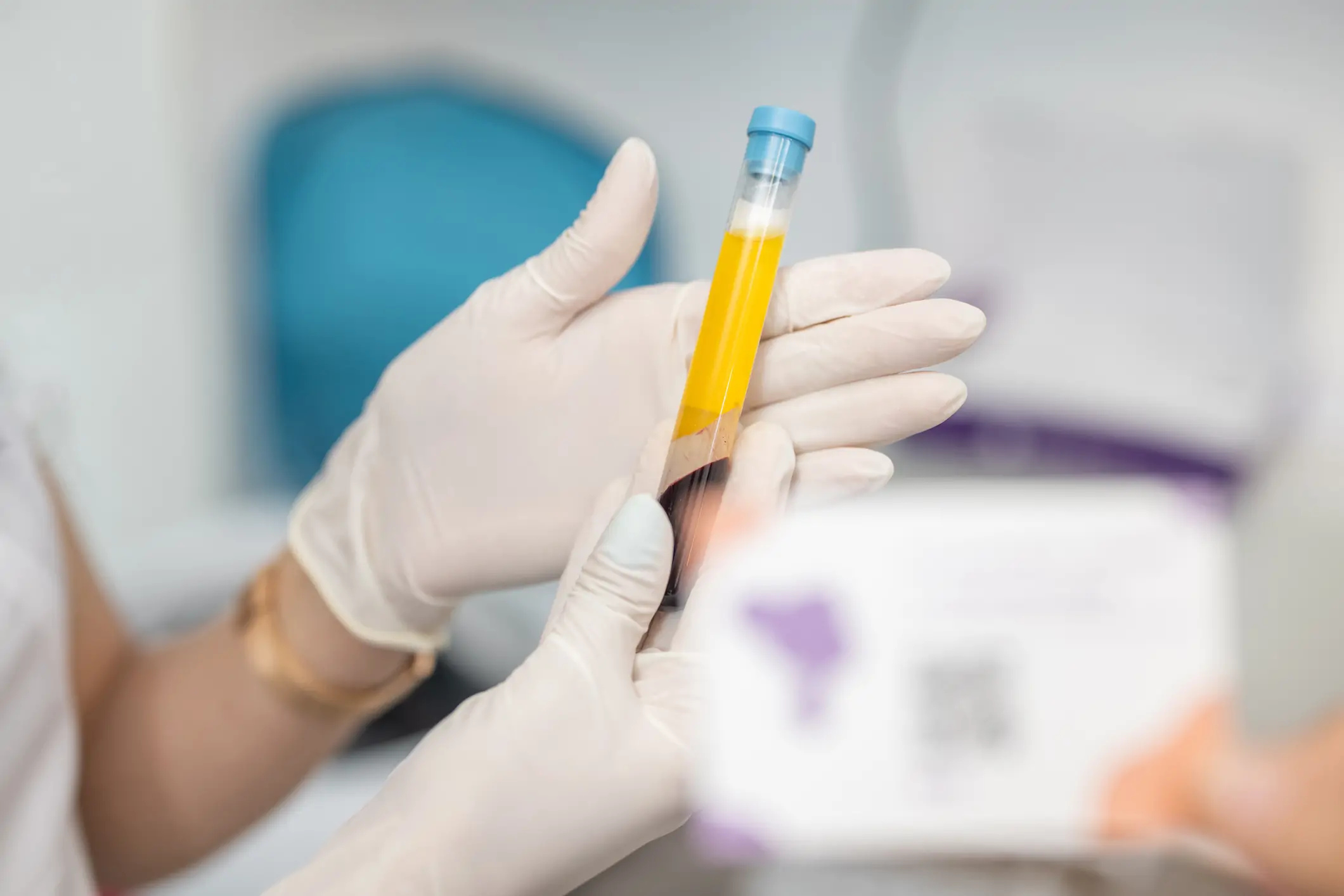
Platelet-rich plasma, commonly known as PRP, is prepared from a sample of your own blood.
Blood contains platelets that are best known for their role in clotting but also contain proteins and growth factors involved in normal tissue healing and cellular signaling.
To prepare PRP, a blood sample is collected and processed in a centrifuge to separate and concentrate the platelet-containing portion of the blood. The prepared PRP can then be injected into a selected treatment area.
In musculoskeletal medicine, PRP is used as a biological treatment option for certain joint, tendon and soft-tissue conditions.
At Lyfe Medical Wellness, PRP for joint and musculoskeletal concerns is provided within a physician-led regenerative medicine program, beginning with assessment of whether PRP is appropriate for the individual condition.
PRP Comes From Your Own Blood
PRP is an autologous treatment, meaning it is prepared from your own blood rather than from donor tissue.
This reduces concerns related to immune rejection, but it does not mean that PRP is risk-free or appropriate for every musculoskeletal condition.
Why Is PRP Used in Musculoskeletal Medicine?
Joint pain and musculoskeletal injuries can have many different causes, including osteoarthritis, cartilage changes, tendon disorders, ligament injuries, previous trauma and mechanical factors.
Treatment therefore depends on the underlying condition rather than the presence of pain alone.
PRP may be considered as part of non-surgical management for selected musculoskeletal conditions because platelets contain biological factors involved in the body's natural healing response.
Research into PRP continues to develop, and the strength of evidence varies considerably according to the condition being treated.
For example, clinical evidence is more established for certain applications such as symptomatic knee osteoarthritis and some chronic tendon conditions than for many other proposed uses.
For this reason, the decision to use PRP should be based on the individual diagnosis, severity of the condition, previous treatment and realistic treatment objectives.
What Conditions May Be Considered for PRP?
Following medical assessment, PRP may be considered for selected conditions such as:
Knee Osteoarthritis
PRP may be considered for some patients with symptomatic knee osteoarthritis, particularly where non-surgical management is appropriate.
The aim of treatment is generally to help manage symptoms and support function rather than to claim restoration of damaged cartilage.
Tendon Conditions
PRP may be considered for selected chronic tendon conditions depending on the location, severity and previous treatment.
Examples may include certain patellar, Achilles, elbow or rotator cuff tendon conditions.
Selected Sports & Musculoskeletal Injuries
Depending on the type and severity of injury, PRP may form part of a broader treatment program for selected ligament, tendon or other musculoskeletal concerns.
Other Joint Conditions
PRP may sometimes be considered for joints other than the knee. Suitability depends on the diagnosis, joint involved, clinical findings and available evidence.
Not Every Joint Problem Is Suitable for PRP
Pain does not necessarily mean that PRP is the appropriate treatment.
Advanced structural joint damage, certain acute injuries or other underlying conditions may require different management or orthopedic assessment.
Your physician will discuss whether PRP is a reasonable option for your individual condition.
How Is PRP Made?
PRP preparation begins with a sample of the patient's own blood.
Blood Collection
A blood sample is collected from a vein in the arm.
Centrifugation
The blood is placed into a centrifuge, which separates its components according to their physical characteristics.
PRP Preparation
The platelet-containing portion required for treatment is collected and prepared for administration.
Injection
The prepared PRP is injected into the treatment area using anatomical landmarked according to the physician's clinical assessment.
The exact preparation and treatment approach can vary depending on the PRP system used, treatment area and individual clinical circumstances.
How Is PRP Treatment Personalized?
There is no single PRP protocol that is appropriate for every joint condition or every patient.
- ✓ Where your pain or symptoms are located
- ✓ How long the problem has been present
- ✓ Your diagnosis or suspected diagnosis
- ✓ Severity of symptoms
- ✓ Effect on movement and daily activities
- ✓ Previous injuries or surgery
- ✓ Previous treatments and response
- ✓ Relevant medical history and medications
- ✓ Physical examination findings
- ✓ X-ray, MRI or other imaging where available
- ✓ Your activity level and treatment goals
PRP should therefore not be selected simply because a joint is painful. The first step is understanding what is causing the symptoms and whether PRP is a reasonable treatment option for that condition.
Bring Your Previous Imaging
If you already have an X-ray, MRI, ultrasound report or previous orthopedic assessment, we recommend bringing it to your consultation. This information can help your physician understand the condition of the joint and determine whether further assessment is required before treatment.
What May PRP Help With?
Depending on the condition and individual response, PRP may be considered with the aim of supporting:
Pain Management
Some patients with selected musculoskeletal conditions may experience improvement in pain following PRP treatment.
Joint Function
For certain conditions, particularly symptomatic knee osteoarthritis, PRP may help improve aspects of physical function.
Musculoskeletal Recovery
PRP may be considered within a broader management program for selected tendon or soft-tissue conditions.
Non-Surgical Management
For appropriately selected patients, PRP may form part of a non-surgical treatment strategy alongside rehabilitation, physiotherapy, activity modification or other medical management.
What PRP Cannot Guarantee
PRP should not be presented as a treatment that can reliably regrow cartilage, reverse osteoarthritis or eliminate the need for surgery.
Clinical response varies between patients, and outcomes can depend on factors such as:
- The condition being treated
- Severity and duration of the problem
- Degree of structural joint change
- Age and general health
- Activity level
- Rehabilitation and other treatments
- Individual biological response
Your physician will discuss what may reasonably be expected in your particular situation.
PRP Joint Injection at Lyfe Medical Wellness
How Is PRP Injected Into the Joint?
For joint PRP treatment at Lyfe Medical Wellness, the physician identifies the appropriate injection site following clinical assessment.
Joint injections are performed using an anatomical landmark-guided technique, in which the physician uses established anatomical reference points to determine the injection site.
This approach relies on clinical examination, knowledge of joint anatomy and identification of the relevant anatomical landmarks.
The injection approach depends on the joint being treated and the individual clinical situation.
|
i
|
If the physician considers that the condition requires imaging, image-guided intervention or specialist orthopedic assessment, this will be discussed before proceeding. |
During the Appointment
A typical PRP appointment includes:
Clinical review
Blood collection
PRP preparation
Preparation of the treatment area
PRP injection
Post-treatment instructions
The overall appointment time varies according to the treatment area and individual circumstances.
What Happens After PRP Treatment?
Some temporary soreness, swelling or discomfort around the treated area may occur following injection.
Your physician will provide individual instructions regarding activity, exercise, medication and care of the treatment area.
The appropriate return to exercise or normal activity depends on the joint or tissue treated and the underlying condition.
Response Is Gradual and Individual
PRP does not produce the same response in every patient.
Changes, where they occur, may develop gradually rather than immediately. The timing and degree of response depend on the condition being treated and individual factors.
Follow-Up Assessment
Follow-up allows your physician to assess:
Changes in pain or symptoms
Joint or musculoskeletal function
Tolerance of treatment
Progress with rehabilitation where relevant
Whether additional treatment should be considered
The need for further PRP treatment is based on clinical response rather than automatically following a fixed number of sessions.
Your PRP Journey at Lyfe Medical Wellness
1. Physician Consultation
Discuss your symptoms, previous injuries, medical history, previous treatment, current medications and treatment goals.
2. Clinical Assessment
Your physician assesses the affected area and reviews available imaging or medical reports.
Further investigation or specialist assessment may be recommended where appropriate.
3. Treatment Discussion
If PRP is considered suitable, your physician explains the proposed treatment, potential benefits, limitations, risks and alternatives.
4. PRP Preparation & Treatment
Blood is collected and processed to prepare PRP. The PRP is then administered to the selected treatment area.
For joint injections performed at Lyfe Medical Wellness, an anatomical landmark-guided injection technique is used.
5. Aftercare & Follow-Up
You receive post-treatment guidance and your clinical response can be reviewed over time.
Further treatment is considered according to your progress and individual clinical needs.
“Every patient receives a personalised programme — designed specifically for their biology and goals, not adapted from a generic template.”
At Lyfe Medical Wellness, we believe honest physician guidance is the most valuable thing we can offer — before, during and after any treatment.

PRP Therapy — Frequently Asked Questions
RELATED TREATMENTS
Explore Other Regenerative Treatments

Have Questions About PRP for Joint Pain?
If you are experiencing persistent joint pain, stiffness or a musculoskeletal problem and would like to understand whether PRP may be appropriate, our medical team can help you explore your options. A physician consultation allows us to review your symptoms, medical history and available imaging, assess the affected area, and discuss whether PRP or another treatment approach may be appropriate for your condition.
Book Your Consultation
Fill the form and we will contact you within 24 hours.