Understanding why your body slows down — and what you can do about it
Introduction: When Your Body Doesn’t Recover Like It Used To
At some point—often after the age of 35 or 40—many people start to notice subtle but persistent changes:
- Injuries take longer to heal
- Energy levels don’t fully recover after stress or travel
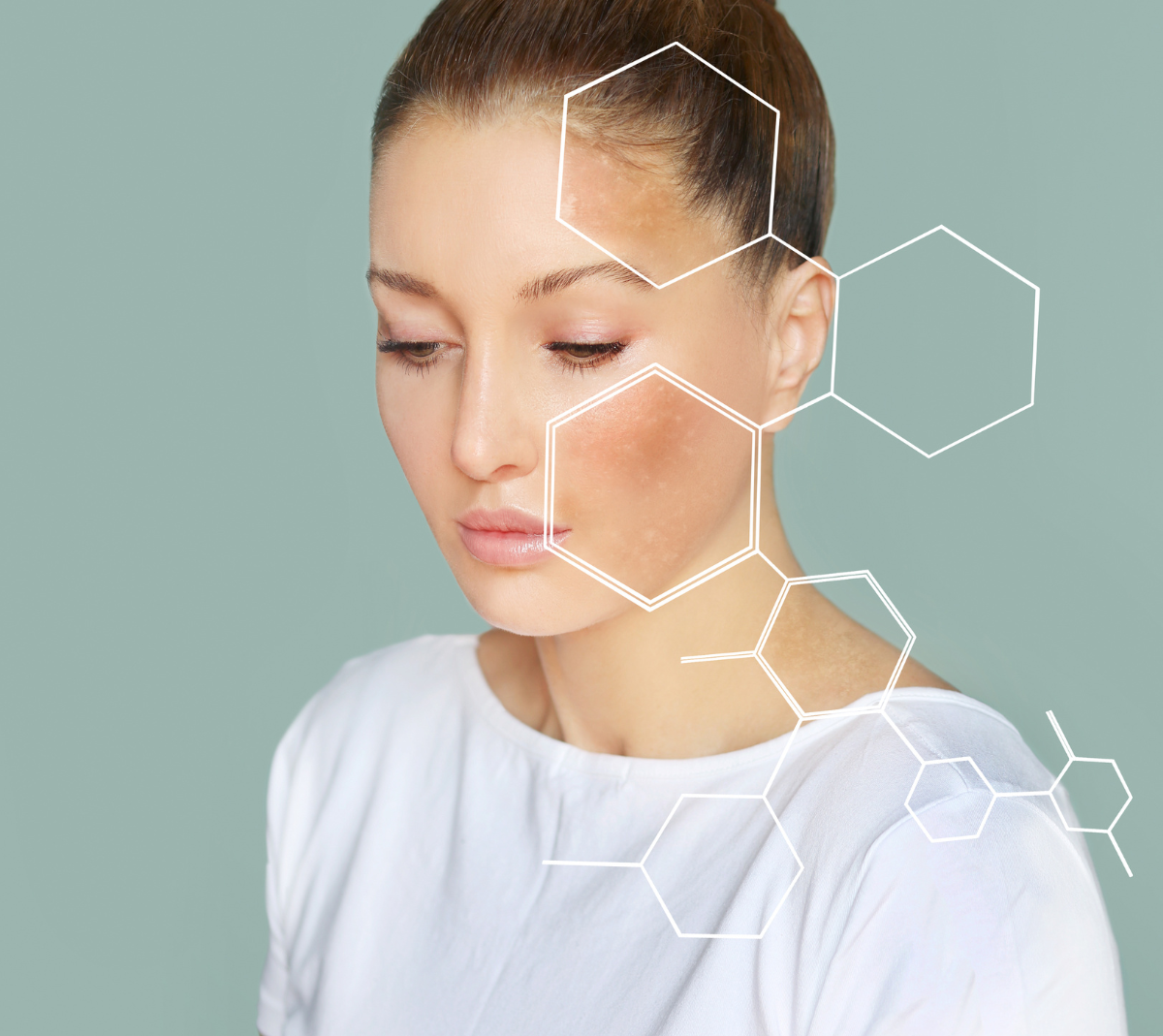
- Skin loses firmness and elasticity
- Sleep becomes lighter or less restorative
- Mental clarity feels slightly “off”
These are not random symptoms. They often point to a deeper process happening inside the body: cellular damage and slower repair.
This is where regenerative medicine begins to play a role—not as a quick fix, but as a science-based approach to support how your body repairs itself at the cellular level.
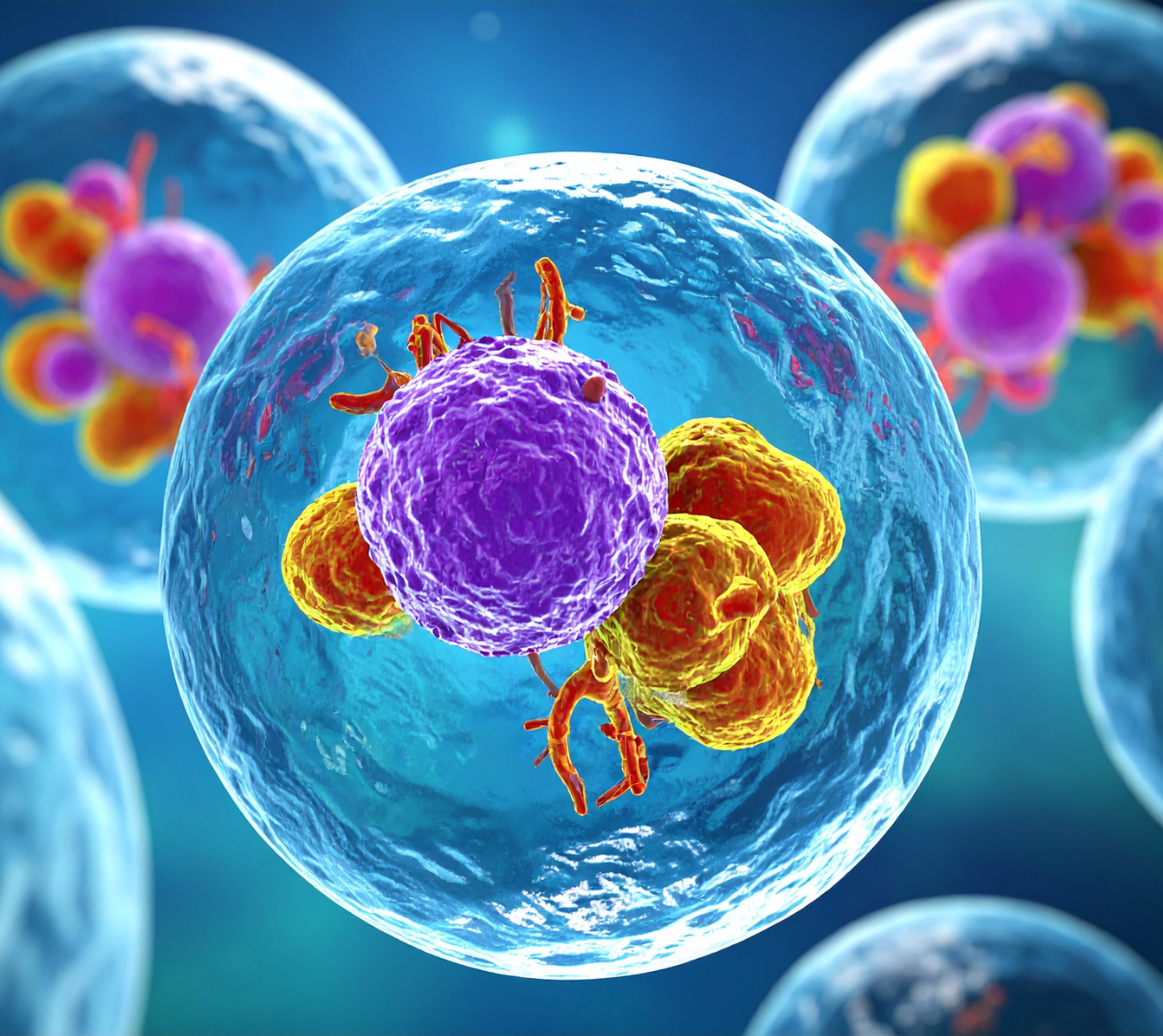
What Cellular Damage Is
Your body is made up of trillions of cells. Every day, these cells are exposed to stress:
- Environmental toxins
- Poor sleep
- Chronic inflammation
- UV exposure
- Nutrient deficiencies
- Natural aging
Over time, this leads to cellular damage.
What does this look like in real life?
Instead of thinking in medical terms, it’s easier to recognize through everyday experiences:
- You work out—but recovery takes 2–3 days instead of 1
- A small injury lingers for weeks
- Your skin looks more tired despite skincare
- You feel “burnt out” even after rest
- Your focus drops during the day
This happens because your body’s ability to repair and regenerate cells slows down.
In younger years, the body repairs damage efficiently. But with age and stress, this process becomes less effective.
How Regenerative Medicine Works
Regenerative medicine focuses on supporting the body’s natural ability to repair, restore, and maintain healthy cells.
Rather than masking symptoms, it works on the underlying process—how cells function, communicate, and recover.
The core idea is simple:
Your body already knows how to heal.
But sometimes, it needs support to do it effectively.
Key mechanisms involved
- Supporting Cellular Communication
Cells constantly send signals to repair damage. Over time, these signals become weaker or less efficient.
Regenerative approaches aim to:
- Improve how cells communicate
- Trigger repair pathways
- Support tissue regeneration
- Reducing Inflammation
Chronic low-level inflammation is one of the biggest reasons cellular repair slows down.
You may not feel it directly, but it shows up as:
- Fatigue
- Brain fog
- Slow recovery
- Skin aging
By reducing inflammation, the body can redirect energy toward repair instead of defense.
- Enhancing Mitochondrial Function
Mitochondria are the “energy centers” of your cells.
When they function well:
- You feel energized
- Recovery is faster
- Brain function is sharper
When they decline:
- Energy drops
- Cells repair more slowly
Regenerative medicine often focuses on restoring this energy system.
- Stimulating Repair Pathways
Certain therapies can activate the body’s natural repair mechanisms, encouraging:
- Tissue regeneration
- Collagen production
- Cellular renewal
How Therapies Aim to Support Cellular Health
In a regenerative medicine clinic in Thailand, therapies are typically designed to support these biological processes—not override them.
Here are examples of how different approaches work in real-life terms:
What it supports:
- Cellular energy production
- DNA repair
- Brain function
Who might relate:
- You feel mentally drained or less sharp
- You experience low energy despite sleep
- You travel often or work under high stress
What people aim to achieve:
- Better clarity
- More stable energy
- Improved recovery from fatigue
- Hyperbaric Oxygen Therapy (HBOT) (Tissue Oxygenation)
What it supports:
- Oxygen delivery to tissues
- Healing of damaged cells
- Reduction of inflammation
Who might relate:
- Slow healing from injuries
- Post-workout fatigue
- General recovery issues
What people aim to achieve:
- Faster healing
- Improved physical recovery
- Better overall resilience
- Peptide Therapy (Cell Signaling Support)
What it supports:
- Cellular communication
- Tissue repair signals
- Hormonal balance
Who might relate:
- Persistent fatigue
- Poor recovery
- Early signs of aging
What people aim to achieve:
- Better recovery response
- Improved sleep and repair cycles
- Support for long-term vitality
- PRP (Platelet-Rich Plasma) (Your Body’s Own Healing Factors)
What it supports:
- Tissue repair using your own blood components
- Collagen production
- Localized healing
Who might relate:
- Joint discomfort
- Skin quality concerns
- Injury recovery
What people aim to achieve:
- Targeted healing
- Improved tissue quality
- Natural regeneration
- Exosome Therapy (Cell-to-Cell Communication Support)
What it supports:
- Cellular signaling
- Repair activation
- Tissue regeneration
Who might relate:
- Skin aging
- Recovery challenges
- General decline in vitality
What people aim to achieve:
- Improved skin quality
- Enhanced repair response
- More efficient recovery
Why Physician-Led Programs Matter
Regenerative therapies are powerful—but they are not “one-size-fits-all.”
This is where many people misunderstand the approach.
The same therapy can work differently depending on:
- Your age
- Your current health status
- Your lab results
- Your lifestyle and stress levels
Why medical guidance is important
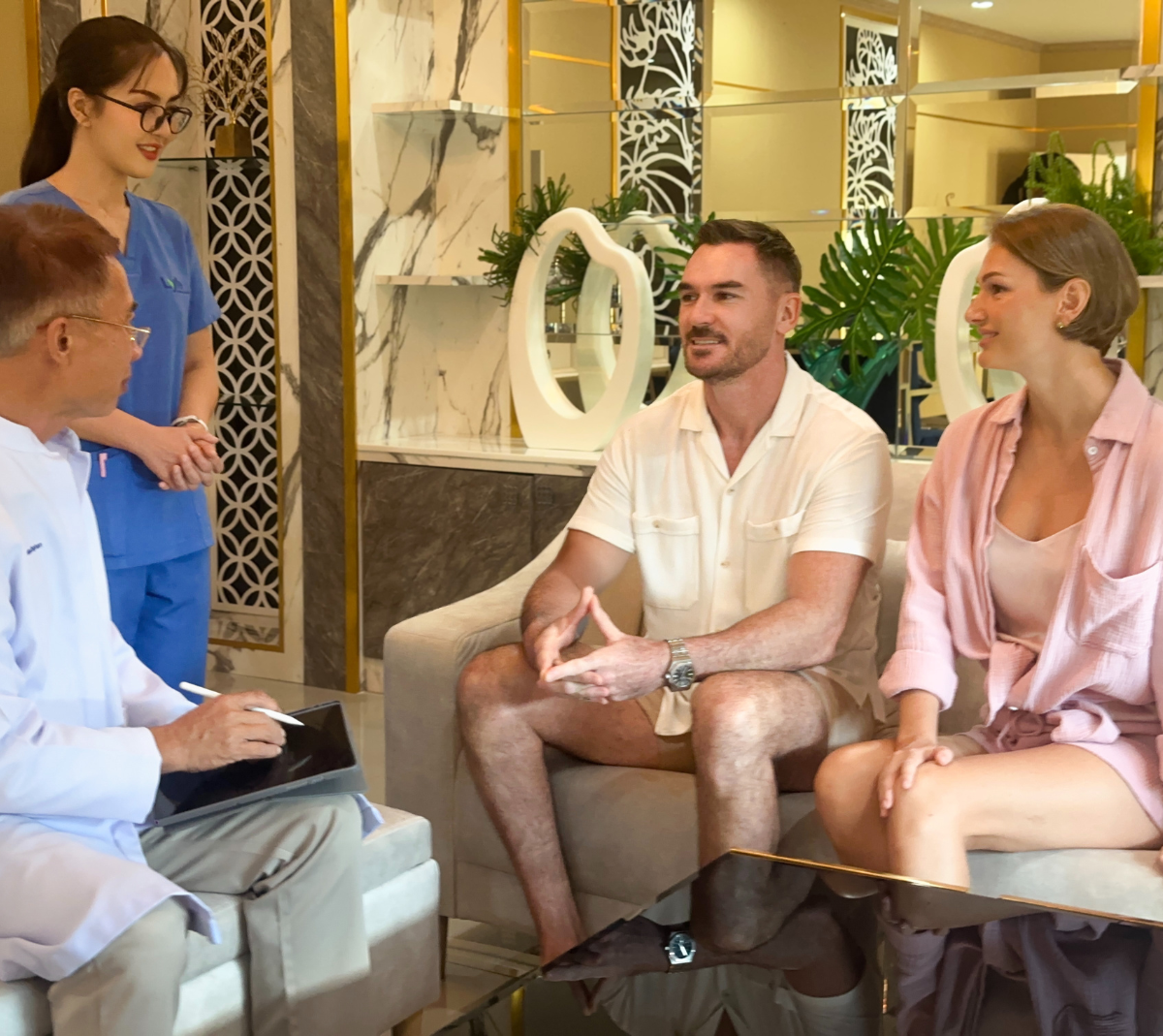
A physician-led regenerative medicine program ensures:
- Proper Assessment
Before recommending anything, understanding your baseline is key:
- Blood tests
- Hormonal balance
- Nutrient levels
- Inflammation markers
- Personalised Approach
Two people with the same symptom (e.g., fatigue) may have completely different underlying causes.
Treatment should match:
- Your specific condition
- Your goals (performance, recovery, longevity)
- Safety and Effectiveness
Not all therapies are suitable for everyone.
Medical supervision ensures:
- Correct dosing
- Proper timing
- Safe combinations of therapies
- Long-Term Strategy
Regenerative medicine is not about a single session.
It’s about:
- Supporting your body consistently
- Monitoring progress
- Adjusting as your body responds
What You Can Realistically Expect
One of the most important things to understand is this:
Regenerative medicine is not an instant transformation.
It is a process of supporting your body to function better over time.
Changes people often notice:
- More stable energy throughout the day
- Better recovery after physical or mental stress
- Improved sleep quality
- Clearer thinking and focus
- Healthier-looking skin
- Reduced feeling of “burnout”
The bigger goal
The goal is not just to feel better temporarily—but to:
- Support long-term cellular health
- Maintain function as you age
- Improve quality of life
Final Thoughts
Cellular damage is a natural part of life—but how your body responds to it can be supported.
Regenerative medicine focuses on helping your body do what it was designed to do: repair, restore, and adapt.
For many people, the shift is not dramatic—but gradual and meaningful:
- From constant fatigue → to sustainable energy
- From slow recovery → to resilience
- From early decline → to maintained function
Contact Information:
- Rawai Clinic : 58/147 Moo 6 T. Rawai, Muang, Phuket, Thailand, 83130
- Laguna Phuket Clinic : 29/99 Moo4, Cherngtalay, Thalang, Phuket 83110
- Phone: +66-94-926-3269 or +66-62-462-3969
- Email: info@lyfemedical.com