Interest in peptide therapy has grown rapidly over the past few years, particularly among individuals seeking support for recovery, performance, metabolic health, hormonal balance, and healthy ageing. As information becomes more accessible online, peptides are often discussed as simple tools that can be self-administered with minimal oversight.
In reality, peptide therapy is a medical intervention that requires careful evaluation, appropriate sourcing, and ongoing monitoring. When used responsibly, peptides can play a supportive role in health optimisation. When used incorrectly, they carry unnecessary risks.
This article explains what peptide therapy is, who may benefit, and—most importantly—why peptides should be prescribed, sourced, and managed through a medical clinic. The focus is educational, not promotional, helping readers make informed decisions about peptide therapy in Thailand, peptides in Phuket, and treatment through a medical peptide clinic in Rawai.
Understanding Peptides: What They Are and What They Do
Peptides are short chains of amino acids that act as signaling molecules in the body. They communicate messages between cells, influencing processes such as hormone release, tissue repair, immune response, metabolism, and inflammation.
Your body naturally produces many peptides every day. Over time, due to ageing, stress, illness, or lifestyle factors, the production or effectiveness of certain peptides may decline. Therapeutic peptides are designed to support or modulate these natural signaling pathways.
Importantly, peptides do not “force” the body to act. Instead, they work by supporting the body’s own regulatory systems—when used at appropriate doses and in suitable individuals.
Common Reasons People Explore Peptide Therapy
People who enquire about peptide therapy often do not feel acutely ill. Instead, they experience persistent issues that impact quality of life or performance.
Examples include:
- Slow recovery from exercise or injury
- Reduced energy or resilience
- Poor sleep quality
- Difficulty maintaining lean muscle mass
- Increased fat accumulation
- Signs of accelerated ageing
- Chronic inflammation or joint discomfort
- Reduced stress tolerance
These symptoms are not specific to peptide deficiency, which is why peptides should never be used as a first-line or standalone solution. A proper medical assessment helps determine whether peptides are appropriate—or whether another intervention is more suitable.
Why Peptide Therapy Requires Medical Oversight

Despite being widely discussed online, peptides are not supplements. They are bioactive compounds that interact with complex physiological systems.
Medical oversight matters for several reasons:
- Correct Indication
Not everyone with fatigue, slow recovery, or metabolic concerns is a suitable candidate for peptide therapy. Symptoms may be driven by:
- Hormonal imbalance
- Nutrient deficiencies
- Inflammatory or metabolic dysfunction
- Sleep or stress-related disruption
Using peptides without understanding the underlying cause risks masking symptoms rather than addressing root issues.
- Proper Dosing and Protocols
Peptides are dose-sensitive. Too little may be ineffective; too much may disrupt natural feedback mechanisms. Medical protocols are designed to:
- Match peptide type to clinical goals
- Use evidence-informed dosing ranges
- Adjust protocols based on individual response
- Monitoring and Adjustment
Responses to peptide therapy vary between individuals. Clinical supervision allows for:
- Monitoring progress and side effects
- Adjusting dosage or duration
- Deciding when to pause or discontinue therapy
This is particularly important for longer-term or regenerative-focused protocols.
Safety and Purity: A Critical Consideration
Because peptides are biologically active compounds, their safety and effectiveness depend heavily on how they are produced, handled, and administered. Quality and purity are not minor details—they directly influence how peptides behave in the body.
For peptides to be used responsibly, they must be:
- Manufactured under controlled, medical-grade conditions
- Stored and transported within specific temperature and stability ranges
- Prepared and labelled accurately to ensure correct dosing
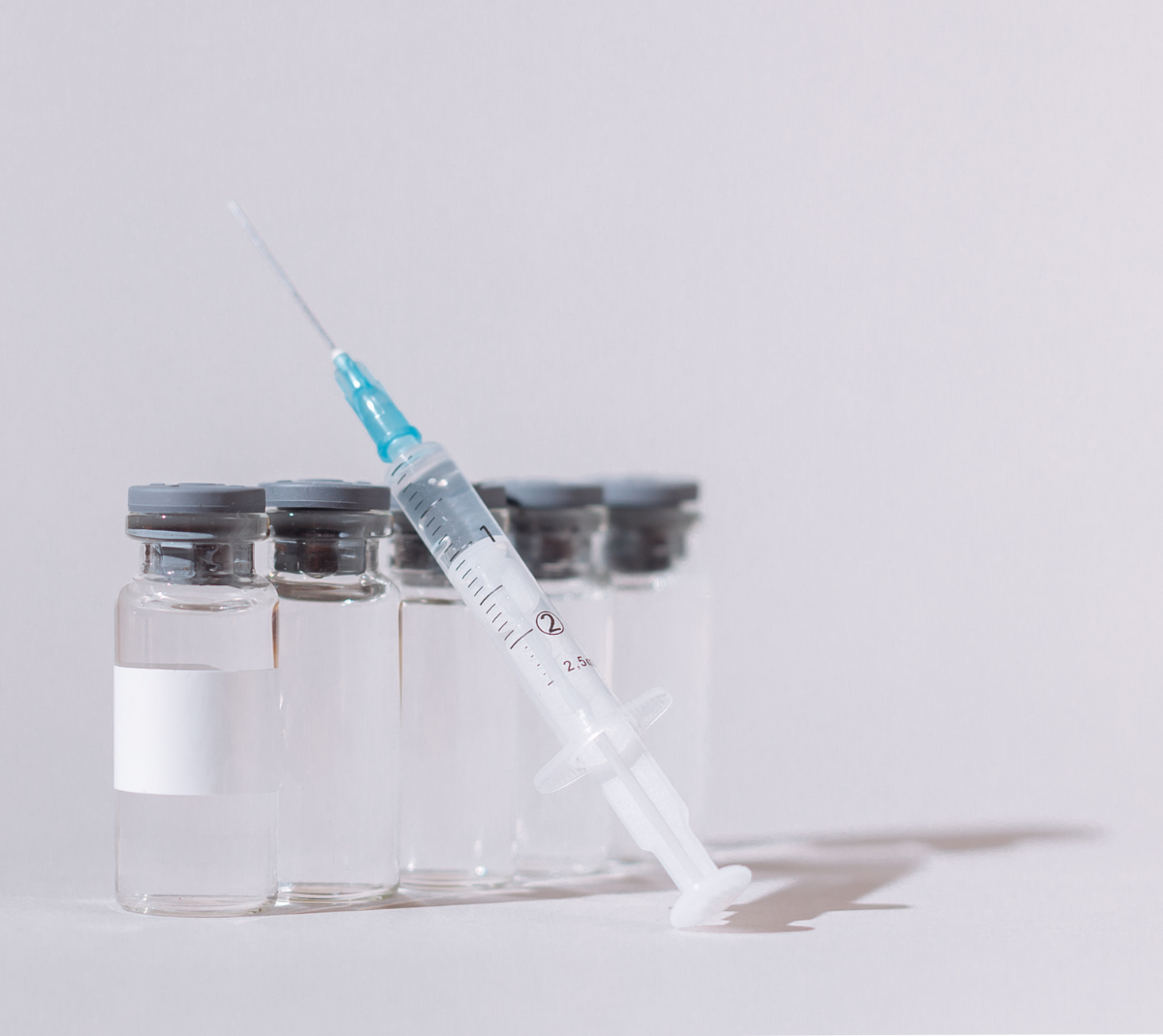
When peptides are obtained outside of a clinical setting, it can be difficult for individuals to independently verify factors such as sterility, concentration, stability, and batch consistency. Variations in any of these areas may affect treatment reliability and increase the likelihood of unintended responses.
In a medical clinic, peptides are sourced through regulated pharmaceutical channels, with established quality controls, traceability, and storage standards. This clinical framework allows peptides to be used in a way that prioritizes safety, consistency, and appropriate patient monitoring—key considerations when working with therapies that interact with the body’s regulatory systems.
The Risks of Self-Injection and Unsupervised Use
Online discussions often normalize self-injection, portraying it as simple or low-risk. This perspective overlooks several important concerns:
- Incorrect injection technique increases infection risk
- Poor storage can degrade peptide stability
- Lack of monitoring may allow side effects to go unnoticed
- Interactions with existing conditions or medications may be missed
Medical supervision significantly reduces these risks by ensuring peptides are administered appropriately, with education and follow-up support.
A Clinic-Based Approach to Peptide Therapy
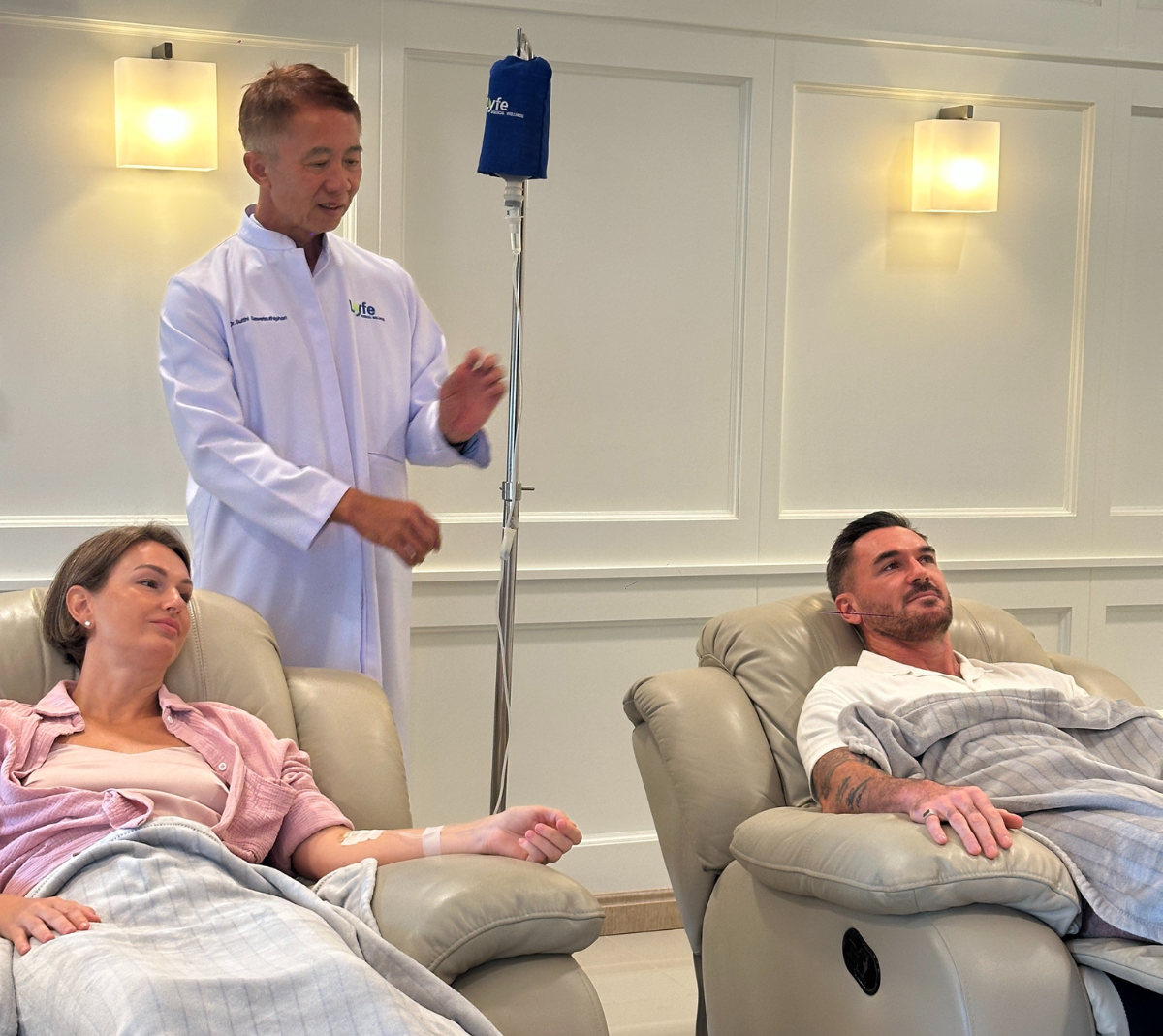
At Lyfe Medical Wellness, peptide therapy is positioned as part of a broader, physician-led health strategy—not as a shortcut or anti-ageing trend.
A clinic-based approach typically involves:
- Comprehensive Assessment
This includes reviewing symptoms, medical history, lifestyle factors, and relevant laboratory markers where indicated.
- Clinical Decision-Making
Peptides are considered only if they align with the individual’s health profile and goals. In some cases, alternative interventions may be recommended instead.
- Personalized Protocol Design
When peptides are appropriate, protocols are tailored in terms of peptide selection, dosage, and duration.
- Ongoing Review
Progress is monitored, and adjustments are made based on response—not assumptions.
This structured approach ensures that peptide therapy supports health optimization rather than replacing foundational medical care.
Setting Realistic Expectations
Peptide therapy is not a cure-all. It does not replace:
- Adequate nutrition
- Quality sleep
- Stress management
- Medical treatment for underlying disease
Benefits, when they occur, are often gradual. Some individuals notice improved recovery or energy within weeks, while others may require longer periods or find peptides are not suitable for them.
Education and expectation-setting are essential to avoid disappointment or misuse.
Peptides as Part of Preventive and Regenerative Care
When used responsibly, peptides may complement preventive strategies by supporting the body’s natural repair and regulatory processes. Their role is supportive, not corrective.
Peptides work best when:
- Underlying health issues are identified
- Lifestyle foundations are addressed
- Treatment is guided by medical professionals
This integrated approach aligns with long-term wellbeing rather than short-term optimization.
Making an Informed Choice
As interest in peptide therapy in Thailand continues to grow, distinguishing between medical care and self-directed experimentation becomes increasingly important.
Choosing a medical peptide clinic in Rawai or Phuket ensures that:
- Safety and quality are prioritized
- Treatment decisions are evidence-informed
- Monitoring and accountability are in place
Peptide therapy should be approached with the same care and respect as any medical intervention—because at its core, that is what it is.
Final Thoughts
Peptides hold significant potential within preventive and regenerative medicine, but their benefits depend entirely on how they are used. Clinic-based peptide therapy offers a framework where safety, science, and individual context come first.
Rather than chasing trends or shortcuts, a physician-led approach helps individuals understand whether peptides are appropriate, how they fit into their overall health picture, and how to use them responsibly.
In doing so, peptide therapy becomes not a risk—but a considered option within a structured, ethical, and patient-centered medical strategy.
Contact Information:
- Rawai Clinic : 58/147 Moo 6 T. Rawai, Muang, Phuket, Thailand, 83130
- Laguna Phuket Clinic : 29/99 Moo4, Cherngtalay, Thalang, Phuket 83110
- Phone: +66-94-926-3269 or +66-62-462-3969
- Email: info@lyfemedical.com